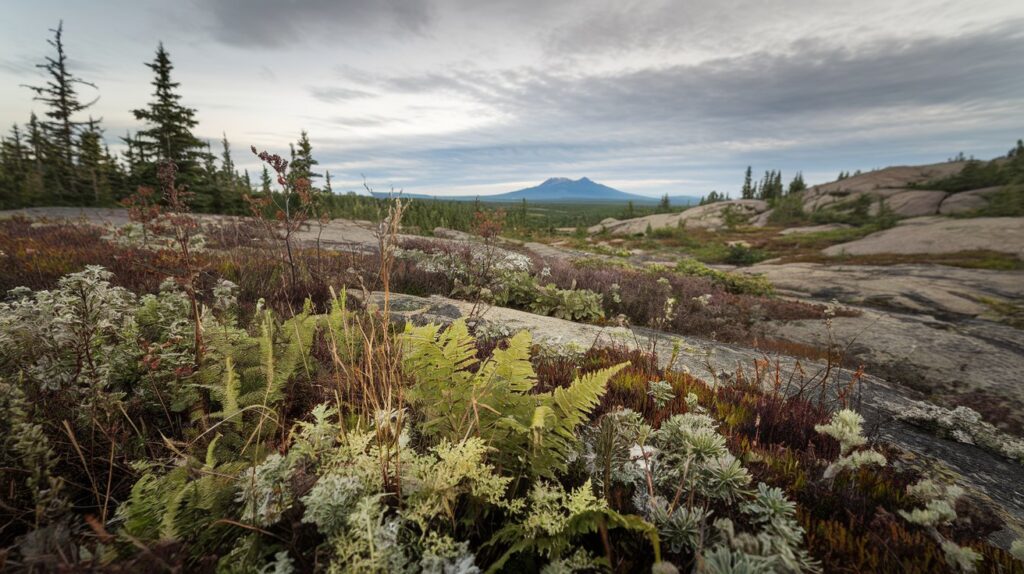
The Canadian Shield hosts over 200 mammal, bird, and reptile species across its 1.85 million square miles of boreal forests, wetlands, and tundra ecosystems. This ancient geological formation provides critical habitat for iconic Canadian wildlife including moose, black bears, caribou, gray wolves, and beavers. Understanding these Canadian Shield animals helps visitors and nature enthusiasts appreciate North America’s largest wilderness region and its vital role in continental biodiversity conservation.
Where Is the Canadian Shield and Why It Matters for Wildlife
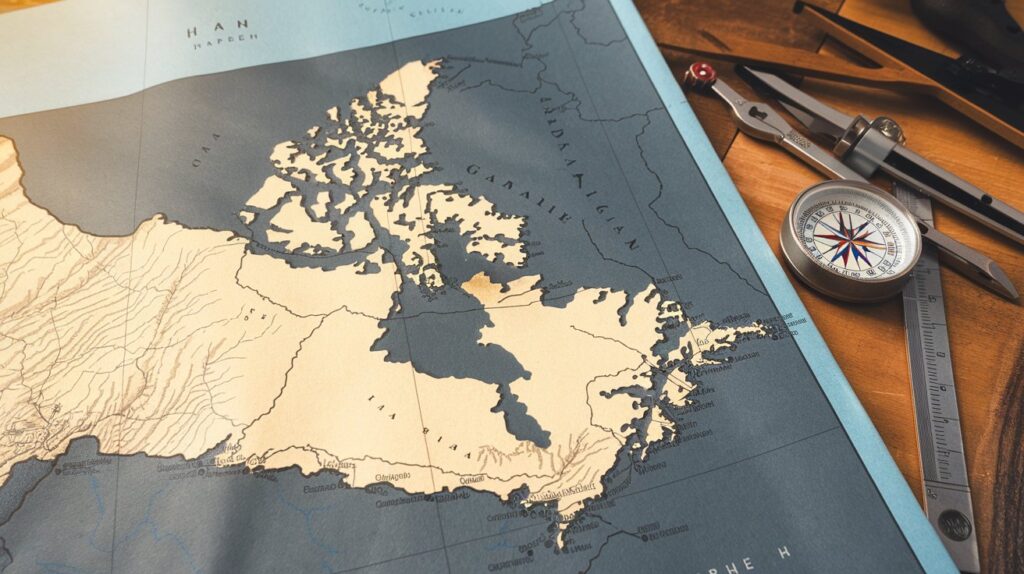
The Canadian Shield extends across 48% of Canada’s land surface, covering portions of Quebec, Ontario, Manitoba, Saskatchewan, Alberta, Northwest Territories, Nunavut, and small sections of Minnesota, Wisconsin, Michigan, and New York in the United States. This ancient rock formation dates back 2.5 billion years and creates a unique landscape of exposed Precambrian rock, thousands of lakes, dense coniferous forests, and vast wetland systems. The shield’s geographical diversity provides essential habitat corridors that support wildlife migration, breeding, and year-round survival across extreme temperature ranges from -40°F winters to 77°F summers.
The Canadian Shield climate creates distinct ecological zones that determine animal distribution patterns. The southern boreal forest region supports the highest wildlife diversity with mixed coniferous-deciduous forests providing abundant food sources. As latitude increases northward, the landscape transitions to taiga and tundra ecosystems where specialized animals have adapted to shorter growing seasons and harsh winter conditions. This climatic gradient creates stratified wildlife zones where different species thrive based on temperature tolerance, food availability, and reproductive requirements specific to each microclimate.
Large Mammals of the Canadian Shield
Large mammals dominate the Canadian Shield ecosystem as apex predators and keystone herbivores that shape forest structure and nutrient cycling patterns throughout the region.
Moose: The Shield’s Largest Herbivore
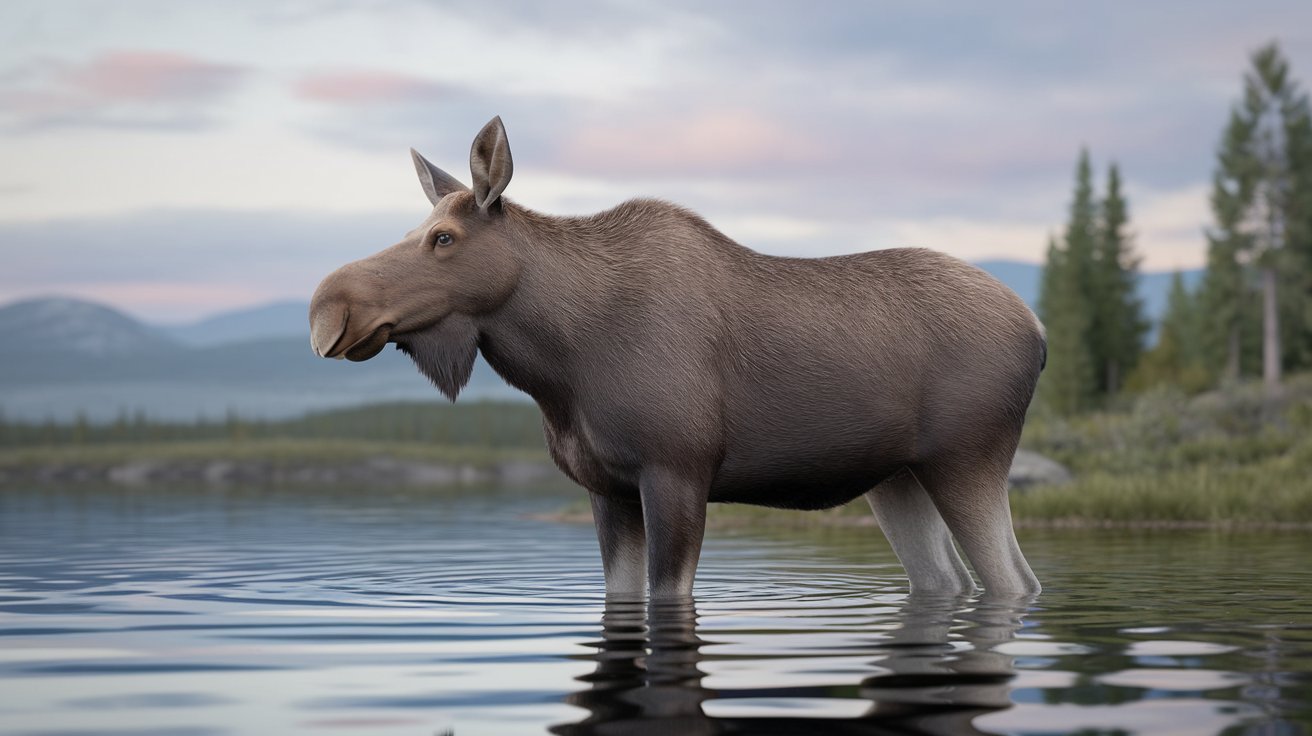
The moose population across the Canadian Shield numbers approximately 500,000 individuals, representing North America’s largest deer species with bulls weighing up to 1,500 pounds and standing 6.5 feet tall at the shoulder. These solitary browsers consume 50-60 pounds of vegetation daily, preferring aquatic plants, willow shoots, and deciduous tree bark. Moose thrive in the shield’s lake-rich environment where they feed on sodium-rich aquatic vegetation essential for their physiological needs. The 2026 conservation status remains stable though climate change impacts winter tick populations that stress moose health, particularly in southern shield regions where warmer winters increase parasite survival rates.
Moose demonstrate remarkable adaptation to Canadian Shield habitats through their long legs designed for navigating deep snow, their dewlap that aids in thermoregulation, and their diving ability reaching depths of 20 feet to access underwater vegetation. During spring calving season from May to June, females isolate themselves to give birth to one or two calves weighing 25-35 pounds. These calves remain vulnerable to predation from wolves and black bears for their first six months, with survival rates averaging 50-70% depending on predator density and winter severity in specific shield territories.
Black Bears: Adaptable Forest Omnivores
The black bear population thrives across the Canadian Shield with an estimated 380,000 individuals inhabiting forested regions from southern deciduous zones to northern boreal forests. These opportunistic omnivores consume 85% vegetation including berries, nuts, and grasses, supplemented with insects, fish, small mammals, and carrion. Black bears demonstrate exceptional intelligence and memory, returning annually to productive feeding sites and denning locations. Adult males weigh 250-600 pounds while females range 150-400 pounds, with significant size variation based on food availability and genetic lineage across different shield regions.
Hibernation patterns in Canadian Shield black bears last 5-7 months from October through April, during which time pregnant females give birth to 1-4 cubs weighing less than one pound each. These altricial young remain with their mothers for 17 months, learning essential survival skills including food identification, denning site selection, and predator avoidance. The 2026 data shows black bear populations remain robust throughout the shield with sustainable harvest rates for licensed hunters and minimal human-wildlife conflict in most regions, though increasing recreational activity in formerly remote areas creates new management challenges.
Canada’s Top Predator Species in the Shield
Understanding what is Canada’s top predator requires examining the apex carnivores that regulate Canadian Shield ecosystems through their hunting behaviors and territorial requirements.
Gray Wolves: Pack Hunters and Ecosystem Engineers
The gray wolf functions as Canada’s premier apex predator across the Canadian Shield with populations estimated at 52,000 individuals organized in packs averaging 5-8 members. These highly social carnivores maintain territories spanning 50-1,000 square miles depending on prey density, primarily hunting moose, caribou, white-tailed deer, and beaver. Wolf pack structure centers on an alpha breeding pair that produces 4-6 pups annually, with subordinate pack members assisting in rearing and protecting young. Their coordinated hunting strategies target vulnerable prey including calves, elderly, and injured animals, thereby strengthening overall prey population health through selective predation pressure.
Wolves regulate ungulate populations and create trophic cascades that influence vegetation patterns, small mammal abundance, and even bird communities through their ecosystem role. A single pack consumes approximately 2-4 moose equivalents monthly, translating to 15-20 deer or 30-40 beaver depending on seasonal availability. The 2026 wolf conservation status remains stable across most of the Canadian Shield, though southern populations face habitat fragmentation from expanding resource extraction and recreational development that disrupts traditional pack territories and migration corridors essential for maintaining genetic diversity.
Wolverines and Canada Lynx: Specialized Predators
The wolverine represents one of the shield’s most elusive predators with approximately 15,000 individuals occupying remote northern territories where deep snow persists into late spring. These solitary mustelids possess disproportionate strength for their 20-40 pound body size, capable of taking down caribou and defending carcasses from larger predators including wolves and bears. Wolverines require vast territories of 150-300 square miles and demonstrate remarkable endurance, traveling 15-20 miles daily while scavenging and hunting across rugged shield terrain characterized by rocky outcrops and dense forest cover.
The Canada lynx specializes in hunting snowshoe hares which comprise 60-90% of their diet, creating population cycles that mirror hare abundance fluctuations over 8-11 year periods. These medium-sized cats weigh 18-24 pounds with oversized paws that function as natural snowshoes, allowing them to pursue hares across deep winter snow where other predators struggle. Lynx populations across the Canadian Shield number approximately 110,000 individuals with highest densities in boreal forest regions where hare populations remain robust. Both species face climate change pressures as warming temperatures reduce snow depth and duration, potentially disadvantaging their snow-adapted hunting strategies.
Medium Mammals and Prey Species
Medium-sized mammals form the ecological foundation connecting apex predators with vegetation communities across Canadian Shield habitats through their roles as herbivores, seed dispersers, and prey populations.
Beavers: North America’s Ecosystem Engineers
The beaver population across the Canadian Shield numbers approximately 10-15 million individuals, making them the second-largest rodents in the world at 45-70 pounds and the shield’s most impactful ecosystem engineers. These aquatic mammals construct dams that create wetland habitats supporting 85% of North American waterfowl species, numerous amphibians, fish populations, and riparian vegetation communities. A single beaver family consisting of breeding adults and two generations of offspring can maintain multiple dams and lodges across territories spanning 0.5-2 miles of waterway, with dam structures reaching 10-15 feet high and several hundred feet long in optimal locations.
Beaver engineering activities transform stream ecosystems by slowing water flow, trapping sediments, raising water tables, and creating productive wetland complexes that persist decades after abandonment. Their selective harvesting of deciduous trees including aspen, birch, and willow promotes forest regeneration through coppicing while creating forest openings that benefit moose, deer, and numerous bird species. The 2026 data confirms beaver populations remain abundant throughout accessible shield waterways, though they face minimal natural predation from wolves and occasional conflict with human infrastructure when dam construction floods roads, timber lands, or private property.
Caribou: Migratory Herds Under Pressure
The woodland caribou represents the most threatened large mammal across southern Canadian Shield regions with populations declining 30% over the past two decades due to habitat fragmentation and increased predation pressure. These migratory ungulates differ from their tundra cousins by inhabiting boreal forest regions where they feed primarily on terrestrial lichens, particularly during winter months when snow depth exceeds three feet. Woodland caribou demonstrate unique anti-predator behavior by calving in isolated areas away from other ungulates, thereby avoiding areas with concentrated wolf activity focused on moose and deer populations.
Conservation challenges for Canadian Shield caribou populations stem from industrial development including logging, mining, and energy extraction that creates linear features like roads and seismic lines which facilitate wolf travel and increase predator access to caribou habitat. The 2026 population across the shield totals approximately 32,000 individuals distributed in fragmented herds, with several populations listed as threatened under Canadian species protection legislation. Recovery efforts focus on habitat restoration, predator management in critical areas, and maternal penning programs that protect pregnant females and calves during vulnerable early weeks when predation rates typically reach 30-50% in disturbed landscapes.
Bird Species of the Canadian Shield
The Canadian Shield supports over 300 bird species including resident populations, breeding migrants, and transient species that utilize the region’s diverse habitats for nesting, foraging, and migration staging.
Raptors: Hawks, Eagles, and Owls
Bald eagles have experienced remarkable recovery across the Canadian Shield with breeding populations increasing 400% since the 1980s following DDT bans and protection legislation. These iconic raptors nest in large trees near water bodies where fish populations provide primary prey, supplemented with waterfowl and carrion. Red-tailed hawks dominate open and edge habitats hunting small mammals, while northern goshawks specialize in pursuing grouse and hares through dense forest canopy using remarkable agility. The shield’s raptor diversity includes 18 species ranging from tiny American kestrels to golden eagles that patrol northern tundra regions.
Owl species across the Canadian Shield include great gray owls, great horned owls, northern hawk owls, and snowy owls that migrate southward during winter irruption years when lemming populations crash in Arctic breeding grounds. These nocturnal predators consume remarkable quantities of small mammals with a single family of great gray owls taking 1,200-1,800 voles annually to feed growing young. The 2026 surveys confirm stable populations for most raptor species though some forest specialists face pressure from habitat alteration that reduces old-growth forest characteristics essential for nest site selection and successful reproduction.
Waterfowl and Wetland Birds
The Canadian Shield’s countless lakes and wetlands provide critical breeding habitat for 60% of North American waterfowl production, with an estimated 12-18 million ducks, geese, and swans nesting across the region annually. Common loons symbolize shield wilderness with their haunting calls echoing across northern lakes where they nest on small islands and shorelines safe from mammalian predators. These diving specialists consume fish exclusively and require clear water lakes with adequate prey populations to successfully raise their vulnerable young during the brief 10-12 week breeding season.
Breeding waterfowl diversity includes mallards, ring-necked ducks, mergansers, goldeneyes, and Canada geese that utilize different wetland types from small beaver ponds to expansive lake systems. The shield’s wetland productivity stems from nutrient-rich waters, abundant aquatic invertebrates, and protective vegetation that provides nesting cover and brood-rearing habitat. Migratory birds face growing challenges from climate change impacts including earlier ice-out dates that potentially create mismatches between peak food availability and chick-rearing periods, plus longer-term wetland drying in southern regions that reduces available breeding habitat.
Small Mammals and Their Ecological Roles
Small mammal communities form the energetic foundation of Canadian Shield food webs, converting plant production into animal protein available to predators while providing essential ecosystem services including seed dispersal and soil modification.
Rodents: Voles, Mice, and Squirrels
The southern red-backed vole represents the most abundant small mammal across boreal shield forests with population densities reaching 50-200 individuals per acre during peak years of cyclical fluctuations. These prolific rodents reproduce rapidly with females producing 3-4 litters of 4-6 young annually, creating boom-bust cycles that drive predator populations including foxes, weasels, owls, and hawks. Voles consume primarily vegetation including seeds, fungi, berries, and green plants while distributing fungal spores essential for mycorrhizal associations that support forest tree health and productivity.
Red squirrels and northern flying squirrels occupy different temporal niches with red squirrels active diurnally while flying squirrels emerge nocturnally to glide between trees using patagium membranes that enable controlled descents up to 150 feet. Both species cache conifer cone seeds in middens that may contain thousands of cones representing years of accumulation, providing critical winter food when fresh resources become unavailable. The shield’s small mammal diversity includes 35 species of mice, voles, shrews, and weasels that occupy every habitat type from dense forest to open tundra, collectively processing enormous quantities of plant material and supporting predator communities at multiple trophic levels.
Snowshoe Hares: Prey Population Cycles
The snowshoe hare demonstrates dramatic population cycles fluctuating between 2-3 individuals per square mile during low phases to 300-600 during peak abundance over 8-11 year periods that influence entire predator communities. These herbivorous lagomorphs feed on woody browse during winter including willow, birch, and aspen twigs, switching to herbaceous vegetation and berries during summer months. Their seasonal coat change from brown summer pelage to white winter fur provides camouflage against predators including lynx, coyotes, great horned owls, and goshawks that collectively remove 70-95% of hare populations during decline phases.
Hare population dynamics create cascading effects throughout Canadian Shield ecosystems as predator populations track prey abundance with 1-2 year lag periods, resulting in synchronized cycles across vast geographic areas. During peak hare abundance, predator reproduction increases dramatically with lynx producing litters averaging 4-6 kittens compared to 2-3 during low phases, while coyote and fox litters similarly expand. The 2026 research confirms these cycles continue despite climate change, though warming temperatures may influence cycle amplitude and potentially favor coyotes over lynx in southern shield regions where reduced snow depth diminishes the lynx’s competitive advantages.
Canadian Shield Animals Facts and Adaptations
Understanding Canadian Shield animals facts reveals remarkable adaptations these species employ to survive extreme seasonal temperature variation, deep snow, brief summers, and limited food availability during extended winter periods.
Physiological adaptations include thick insulating fur that grows denser in winter, enlarged feet that function as natural snowshoes in species like lynx and snowshoe hares, and metabolic adjustments that allow hibernators to survive months without eating. Many shield animals accumulate substantial fat reserves during summer and autumn, with black bears increasing body mass 30-40% and ground squirrels doubling their weight before hibernation. Behavioral adaptations prove equally important with many species caching food supplies, selecting microhabitats that provide thermal protection, adjusting activity patterns to conserve energy, and timing reproduction to coincide with peak food availability during the brief productive season from May through September when 80% of annual biological activity occurs.
Color adaptations provide camouflage advantages with species including snowshoe hares, weasels, and ptarmigan molting between brown summer and white winter pelage to match seasonal backgrounds. This phenotypic plasticity responds to photoperiod cues rather than temperature, occasionally creating mismatches when snow arrives earlier or melts later than typical patterns. The 2026 climate data suggests these mismatches may increase as warming temperatures create more variable snow onset and melt dates, potentially exposing color-changing species to increased predation during transitional periods when their coloration contrasts with background substrates.
Why Can’t We Live on the Canadian Shield
The question why can’t we live on the Canadian Shield relates primarily to the region’s challenging environmental conditions, limited agricultural potential, and extreme climate rather than absolute uninhabitability, as indigenous peoples have occupied shield territories for 10,000+ years and modern communities persist throughout the region.
The thin acidic soils covering shield bedrock typically measure 6-18 inches deep with low fertility due to glacial scouring that removed nutrient-rich topsoil during the last ice age ending 10,000 years ago. These poorly drained soils combined with short growing seasons of 60-120 days and frequent frosts make conventional agriculture impractical across most shield regions, limiting food production to hunting, fishing, and gathering wild resources. The exposed Precambrian bedrock creates difficult construction conditions requiring expensive blasting for infrastructure development, while isolated locations far from transportation networks and services increase costs for fuel, food, building materials, and emergency response.
Extreme climate conditions challenge human habitation with winter temperatures regularly reaching -40°F combined with heavy snowfall averaging 60-120 inches annually across most regions. The shield’s abundant biting insects including blackflies and mosquitoes create additional seasonal challenges during brief summers when emergence synchronizes to exploit the compressed reproductive window. Despite these obstacles, approximately 3.2 million people including significant indigenous populations inhabit Canadian Shield regions in 2026, concentrated in resource extraction centers, tourism hubs, and communities connected to southern population centers through transportation corridors including railways and winter ice roads that provide essential supply links.
Vegetation in the Canadian Shield and Animal Relationships
Vegetation in the Canadian Shield creates the structural foundation and energy base supporting animal communities through primary production, cover, nesting habitat, and food resources that drive seasonal movement patterns and population dynamics.
The boreal forest biome dominates shield landscapes with coniferous species including black spruce, white spruce, jack pine, and balsam fir forming dense stands across well-drained uplands and poorly drained lowlands characterized by extensive peatland complexes. Deciduous species including trembling aspen, paper birch, and balsam poplar colonize disturbed sites following fire or logging, providing crucial browse for moose, deer, and hares plus cavity nesting sites for woodpeckers, owls, and small mammals. This vegetation mosaic creates habitat diversity essential for supporting 300+ vertebrate species with different ecological requirements ranging from forest interior specialists to edge-adapted generalists.
Wetland vegetation communities occupy 25-40% of shield landscapes including open water marshes dominated by cattails and sedges, shrub swamps featuring willow and alder thickets, and treed swamps with black spruce and tamarack. These productive ecosystems support exceptional wildlife diversity including breeding waterfowl, moose that feed on aquatic vegetation, beavers that engineer wetland expansion, and numerous amphibian species. The 2026 vegetation assessments document climate-driven changes including northward range expansion of deciduous species, increased fire frequency that rejuvenates forests while temporarily reducing habitat quality for old-growth specialists, and wetland drying in southern regions that concentrates remaining populations into fewer high-quality sites.
Conservation Challenges and Wildlife Management
Conservation challenges facing Canadian Shield animals in 2026 stem from multiple interacting pressures including climate change, habitat fragmentation, resource extraction, recreational development, and invasive species that collectively stress wildlife populations and ecosystem processes.
Climate change impacts manifest through warming temperatures that shift species ranges northward, alter predator-prey dynamics as snow conditions change, modify wetland hydrology affecting waterfowl breeding habitat, and increase fire frequency that transforms forest age structure. Winter warming particularly affects snow-adapted species including lynx, wolverines, and woodland caribou whose competitive advantages diminish as snow depth and duration decline. Warming also extends the season for winter ticks that parasitize moose, with heavily infested individuals losing 30-40% of blood volume leading to mortality rates exceeding 70% for calves in some populations.
Habitat fragmentation from expanding road networks, mining operations, hydroelectric developments, and forestry activities creates barriers to wildlife movement, increases predator access to formerly remote areas, and reduces effective habitat area below thresholds required by wide-ranging species including wolverines and caribou. The 2026 management approaches emphasize landscape-scale conservation including protected area networks, wildlife corridors connecting core habitats, timing restrictions on industrial activities during sensitive breeding and migration periods, and restoration programs that reestablish natural disturbance patterns including prescribed fire and hydrological restoration that benefit ecosystem resilience and wildlife population sustainability.
Related video about canadian shield animals
This video complements the article information with a practical visual demonstration.
FAQ – Common Questions
What animals live in the Canadian Shield?
The Canadian Shield supports over 200 animal species including large mammals like moose, black bears, woodland caribou, gray wolves, and beavers. Medium-sized species include Canada lynx, wolverines, red foxes, and snowshoe hares. The region hosts 300+ bird species including bald eagles, common loons, great gray owls, and numerous waterfowl. Small mammals like voles, red squirrels, and shrews form the food web foundation. This diverse wildlife community thrives across the shield’s 1.85 million square miles of boreal forest, wetlands, and tundra ecosystems characterized by thousands of lakes and rivers providing critical habitat for aquatic and terrestrial species adapted to extreme seasonal temperature variations.
What is Canada’s top predator in the shield region?
The gray wolf functions as Canada’s top predator across the Canadian Shield with approximately 52,000 individuals organized in packs that regulate prey populations including moose, caribou, and deer. Pack sizes average 5-8 members maintaining territories of 50-1,000 square miles depending on prey density. Wolves demonstrate coordinated hunting strategies that target vulnerable prey, creating trophic cascades affecting vegetation patterns and ecosystem structure. Other apex predators include black bears acting as omnivores, wolverines in remote northern areas, and Canada lynx specializing in snowshoe hare predation. These predator communities collectively maintain healthy prey populations and drive evolutionary adaptations throughout Canadian Shield ecosystems.
Why can’t we live on the Canadian Shield?
The Canadian Shield presents challenges for human settlement including thin acidic soils 6-18 inches deep with limited agricultural potential, extreme winter temperatures reaching -40°F, short growing seasons of 60-120 days, and isolated locations requiring expensive infrastructure development. The exposed Precambrian bedrock complicates construction while heavy snowfall averaging 60-120 inches annually and abundant summer insects create additional obstacles. However, approximately 3.2 million people including indigenous populations do inhabit shield regions in resource extraction centers and traditional communities. Historical indigenous occupation spanning 10,000+ years demonstrates humans can successfully adapt to shield conditions, though population density remains low compared to southern agricultural regions with more favorable climate and soil conditions.
How do Canadian Shield animals survive winter?
Canadian Shield animals employ diverse survival strategies during winters lasting 5-7 months with temperatures reaching -40°F. Hibernators including black bears, ground squirrels, and jumping mice accumulate 30-40% additional body fat then enter dormancy with reduced metabolic rates. Active species grow thick insulating fur and develop enlarged feet functioning as natural snowshoes, as seen in lynx and snowshoe hares. Many animals cache food supplies during autumn or switch diets to woody browse when herbaceous vegetation becomes unavailable. Behavioral adaptations include selecting microhabitats providing thermal protection, reducing activity to conserve energy, and timing reproduction for spring when food availability peaks during the brief 10-12 week productive season essential for successful offspring rearing.
What vegetation supports Canadian Shield animals?
The boreal forest biome dominates Canadian Shield vegetation with coniferous species including black spruce, white spruce, jack pine, and balsam fir providing year-round cover and cone seeds for wildlife. Deciduous trees including aspen, birch, and poplar offer browse for moose and deer plus cavity nesting sites for birds. Wetland vegetation covering 25-40% of shield landscapes includes cattails, sedges, willows, and aquatic plants supporting waterfowl, moose, beavers, and amphibians. Understory plants produce berries crucial for bears, and terrestrial lichens provide winter forage for caribou. This vegetation mosaic creates habitat diversity essential for supporting 300+ vertebrate species with different ecological requirements across forest, wetland, and tundra ecosystems characteristic of the Canadian Shield.
Are Canadian Shield animal populations declining?
Canadian Shield animal populations show mixed trends in 2026 with some species thriving while others face significant pressures. Stable or increasing populations include black bears, moose in most regions, gray wolves, beavers, and most bird species including recovered bald eagle populations. Declining species include woodland caribou that decreased 30% over two decades due to habitat fragmentation and predation, plus some old-growth forest specialists affected by logging. Climate change creates emerging challenges including winter tick impacts on moose, altered snow conditions disadvantaging lynx and wolverines, and wetland drying affecting waterfowl breeding success. Conservation programs focusing on habitat protection, landscape connectivity, and disturbance management work to maintain population sustainability across the shield’s diverse wildlife communities.
| Animal Category | Key Species | Population Status 2026 |
|---|---|---|
| Large Mammals | Moose, Black Bears, Gray Wolves | Stable with 500K moose, 380K bears, 52K wolves |
| Threatened Species | Woodland Caribou | Declining – 32K individuals, 30% decrease |
| Apex Predators | Wolverines, Canada Lynx | Stable but climate-vulnerable specialists |
| Ecosystem Engineers | Beavers | Abundant – 10-15 million creating wetlands |
| Birds | Waterfowl, Raptors, Songbirds | 300+ species, most populations stable |
| Small Mammals | Voles, Hares, Squirrels | Cyclical populations supporting predators |