The Canadian Shield vegetation represents one of North America’s most distinctive ecological regions, characterized by boreal forests, rocky terrain, and resilient plant communities. Spanning nearly 2 million square miles across Canada and extending into the northern United States, this ancient geological formation supports unique vegetation zones adapted to harsh climates, thin soils, and short growing seasons. Understanding what grows on the Canadian Shield is essential for appreciating its ecological significance and natural resources.
What Grows on the Canadian Shield: Primary Vegetation Types
The Canadian Shield vegetation primarily consists of boreal forest ecosystems, also known as taiga, which dominate approximately 70% of the region. These forests feature coniferous species exceptionally well-adapted to cold temperatures and acidic soils. The remaining areas include tundra vegetation in northern reaches, wetlands, and sparse vegetation on exposed bedrock. The diversity of plant life reflects the Shield’s varied topography and climate gradients across its vast expanse.
Predominant tree species include black spruce, white spruce, and jack pine, which have evolved specialized adaptations for survival. Black spruce thrives in poorly drained areas and can reproduce through layering when branches touch the ground. White spruce prefers better-drained soils and grows taller, reaching heights of 80 feet in favorable conditions. Jack pine cones require fire to release seeds, demonstrating remarkable fire adaptation strategies that have evolved over millennia.
Coniferous Forest Dominance
The coniferous forests of the Canadian Shield represent the most extensive vegetation type, with evergreen species maintaining their needles year-round to maximize short growing seasons. Balsam fir grows in mixed stands, particularly in eastern regions, while tamarack (eastern larch) uniquely sheds its needles annually despite being a conifer. These coniferous species create dense canopies that shade the forest floor, influencing understory plant communities and creating distinctive microclimates essential for biodiversity.
Forest composition varies significantly based on latitude, elevation, and soil drainage patterns. Northern areas feature sparse, stunted trees transitioning to tundra vegetation, while southern boundaries support richer mixed forests. The Canadian Shield climate directly influences species distribution, with temperature and precipitation patterns determining which conifers dominate specific locations across this massive geological formation.
Deciduous and Mixed Forest Areas
While conifers dominate, deciduous tree species appear in southern Canadian Shield regions and areas with better soil development. White birch, trembling aspen, and balsam poplar colonize disturbed areas and forest edges, creating important mixed forest ecosystems. These hardwoods provide critical habitat diversity and support different wildlife populations compared to pure coniferous stands. Paper birch, with its distinctive white bark, thrives in well-drained sites and represents an iconic Shield species.
Mixed forests demonstrate greater species diversity and structural complexity than pure coniferous stands. Maple species, including red maple and mountain maple, occur in southern transitional zones where soil conditions improve. These deciduous components increase during forest succession following disturbances like fire or logging, gradually transitioning back toward conifer dominance in many areas as ecological processes unfold over decades.
Canadian Shield Vegetation for Kids: Understanding Plant Adaptations
Explaining Canadian Shield vegetation for kids involves highlighting how plants survive extreme conditions through amazing adaptations. Trees grow slowly in the Shield’s thin soils and short summers, with some black spruce taking 50 years to reach just 15 feet tall. Coniferous trees have needle-shaped leaves with waxy coatings that prevent water loss during long, cold winters when roots cannot absorb moisture from frozen ground. These adaptations allow plants to thrive where others cannot survive.
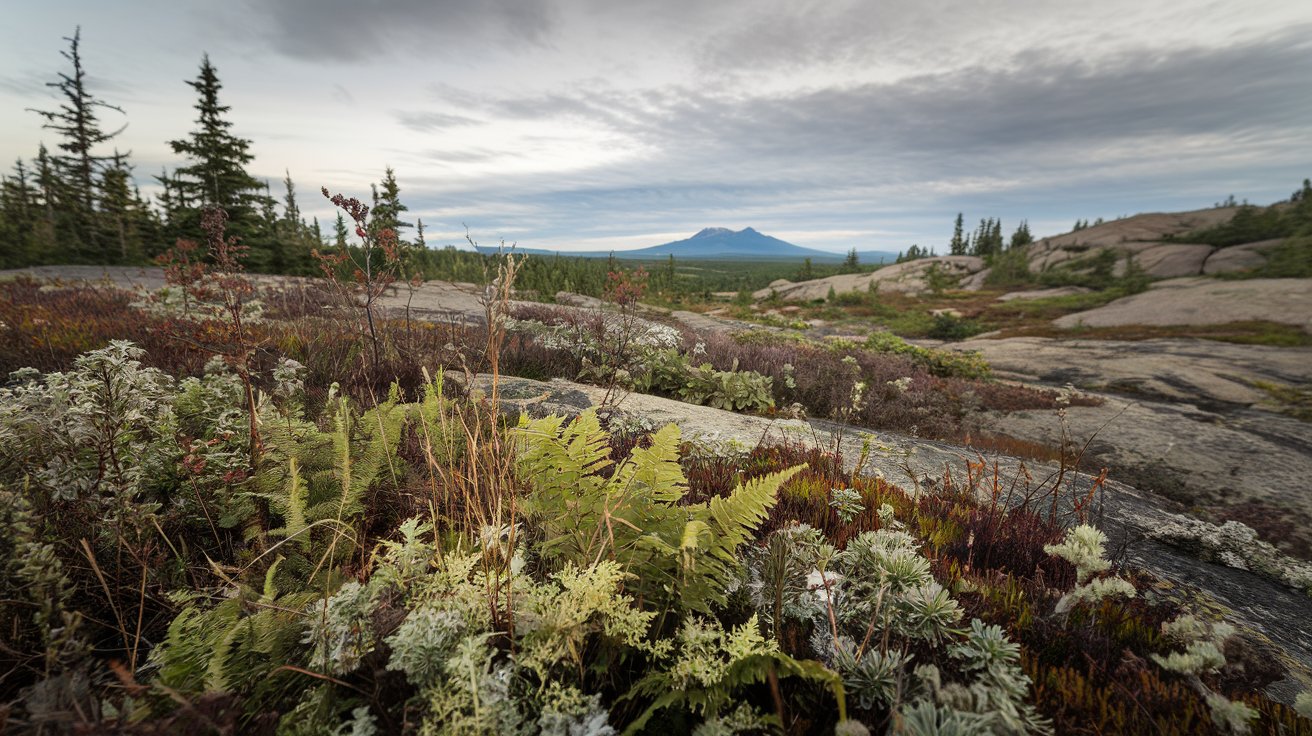
The forest floor beneath tall trees supports fascinating plant communities adapted to shade and acidic conditions. Mosses carpet the ground in thick, spongy layers that retain moisture and create habitats for insects and small animals. Lichens, which are partnerships between fungi and algae, grow on rocks and tree bark, surviving in places too harsh for most plants. Berry-producing shrubs like blueberries and cranberries provide food for wildlife while demonstrating remarkable cold tolerance and nutrient efficiency.
Mosses and Lichens: Foundation Species
Mosses and lichens constitute foundation species throughout Canadian Shield ecosystems, covering rocks, soil, and tree surfaces with resilient growth forms. Sphagnum moss dominates wetland areas, creating acidic conditions and building peat deposits over centuries. These moss species absorb water like sponges, holding up to 20 times their dry weight in moisture, which moderates water flow and creates unique microhabitats. Feather mosses blanket the forest floor, contributing to nutrient cycling and soil formation processes.
Lichens demonstrate extraordinary environmental tolerance, surviving temperature extremes from -40°F to over 80°F. Reindeer lichen (Cladonia species) provides crucial winter food for caribou in northern Shield regions. Rock tripe lichens cling to granite surfaces, slowly weathering stone and initiating soil formation that eventually allows other plants to establish. These organisms grow extremely slowly, with some lichen colonies being hundreds of years old, making them valuable indicators of air quality and ecosystem health.
Understory Shrubs and Wildflowers
The understory vegetation beneath the forest canopy includes diverse shrub and wildflower communities adapted to filtered light and acidic soils. Labrador tea, with its fragrant leaves and white flowers, thrives in boggy areas and was traditionally used for medicinal teas by Indigenous peoples. Blueberry species, including lowbush and velvet-leaf blueberry, carpet forest floors and produce abundant fruit that supports bears, birds, and other wildlife while offering commercial harvest opportunities.
Wildflower diversity increases in canopy gaps and along wetland edges where sunlight penetration improves. Bunchberry, pink lady’s slipper orchids, and twinflower add seasonal color to the forest ecosystem. These plants have evolved strategies for nutrient acquisition in poor soils, including mycorrhizal partnerships with fungi that extend their effective root systems. Insectivorous plants like pitcher plants and sundews supplement nutrient intake by capturing insects in specialized leaves adapted to nutrient-poor bog environments.
Canadian Shield Climate and Its Impact on Vegetation
The Canadian Shield climate profoundly influences vegetation patterns, with long, cold winters and short, cool summers defining growing conditions. Average annual temperatures range from -5°C in northern areas to 5°C in southern regions, with winter temperatures frequently dropping below -30°C. Growing seasons last just 90-120 days in most areas, severely limiting plant productivity and species selection. Annual precipitation varies from 400mm to 1000mm, with significant portions falling as snow that insulates vegetation during harsh winters.
Climate variations across the Shield’s vast expanse create distinct vegetation zones ranging from sparse tundra to productive boreal forests. Northern areas experience permafrost that restricts root penetration and creates waterlogged surface conditions despite low precipitation. Southern Shield regions benefit from longer growing seasons and warmer temperatures that support greater plant diversity and productivity. Climate change impacts are increasingly evident in 2026, with shifting vegetation boundaries, altered fire regimes, and changes in species composition documented across monitoring sites.
Temperature and Growing Season Effects
Temperature patterns dictate which plant species can survive and reproduce across different Shield locations. The brief growing season forces plants to complete annual growth, flowering, and seed production rapidly. Evergreen conifers maintain photosynthetic capacity year-round, capitalizing on any mild periods and starting growth immediately when conditions permit. Deciduous species must leaf out, photosynthesize, and prepare for dormancy within the compressed timeline, requiring efficient resource allocation strategies.
Winter cold tolerance represents a critical survival trait for Canadian Shield vegetation, with plants developing supercooling abilities and protective compounds that prevent cellular damage. Trees enter deep dormancy, halting metabolic processes to survive temperatures that would kill actively growing tissues. Spring warming triggers carefully timed bud break, with species timing growth initiation to avoid late frost damage while maximizing the growing season. These phenological patterns have evolved over thousands of years and show sensitivity to climate warming observed in recent decades.
Precipitation Patterns and Soil Moisture
Precipitation distribution affects vegetation composition through soil moisture availability and nutrient transport. Snowmelt provides significant spring moisture that supports early-season growth, while summer rainfall patterns influence drought stress. Well-drained sandy and rocky soils characteristic of much of the Shield create locally dry conditions despite adequate regional precipitation, favoring drought-tolerant species like jack pine and various lichen communities.
Poorly drained depressions accumulate moisture, creating extensive wetlands that support specialized bog and fen vegetation. Black spruce dominates these waterlogged sites, while sphagnum mosses build peat deposits that acidify water and create nutrient-poor conditions. Precipitation chemistry, including acid deposition from industrial sources, has historically impacted vegetation health in some Shield areas, though air quality improvements since the 1990s have reduced these stresses in many regions as documented by environmental monitoring programs.
Can You Grow Crops on the Canadian Shield
Agricultural potential on the Canadian Shield remains severely limited due to thin, acidic soils, abundant bedrock exposure, and harsh climate conditions. The shield’s ancient granite and gneiss bedrock weathers extremely slowly, producing minimal soil development even over millennia. Where soil exists, it typically measures less than 12 inches deep, lacks organic matter, and exhibits poor nutrient retention. The short growing season of 90-120 frost-free days further restricts crop options, making traditional agriculture economically unviable across most of the region.
Historical settlement attempts revealed these agricultural limitations, with most farming confined to isolated pockets where glacial deposits created deeper soils. Clay belts in Ontario and Quebec support limited agricultural activities, primarily focused on hay production, hardy grains, and livestock grazing. The Canadian Shield population density remains low partly because the landscape cannot support intensive agriculture that historically drove settlement elsewhere. Modern agricultural economics make Shield farming even less competitive compared to productive regions with deep soils and favorable climates.
Soil Limitations for Agriculture
The predominant soil types across the Canadian Shield include shallow podzols and organic soils in wetlands, neither suitable for crop production. Podzols develop under coniferous forests, featuring highly acidic conditions (pH 4-5), nutrient leaching, and limited fertility. The distinctive layering includes a bleached, nutrient-depleted horizon beneath acidic organic matter. Rocky outcrops interrupt even these limited soils, with bedrock exposure common across the landscape creating a mosaic unsuitable for mechanized crop cultivation.
Nutrient deficiencies plague Shield soils, with nitrogen, phosphorus, and base cations severely limited by parent material composition and leaching processes. The cold climate slows organic matter decomposition, reducing nutrient cycling rates and biological activity. Soil pH modification through liming proves economically prohibitive given the vast quantities required and ongoing acidification processes. These fundamental limitations explain why the Shield supports extensive forests rather than agricultural landscapes despite its massive area.
Alternative Land Uses and Natural Resources
Rather than agriculture, the Canadian Shield provides enormous value through natural resources including forestry, mining, hydroelectric power, and recreation. Commercial forestry operations harvest spruce, pine, and fir for lumber and pulp production, representing a sustainable use adapted to natural vegetation. The mining industry extracts valuable minerals including gold, copper, nickel, and iron from the Shield’s ancient rocks, making it one of the world’s most important mining regions with operations across Ontario, Quebec, and extending into northern United States areas.
Hydroelectric development capitalizes on the Shield’s numerous rivers, lakes, and elevation changes to generate renewable electricity. Recreation and tourism leverage pristine wilderness, fishing opportunities, and scenic beauty that attract millions of visitors annually. Indigenous communities maintain traditional land uses including hunting, fishing, and gathering that work with rather than against natural vegetation patterns. These activities generate substantial economic value while preserving the ecological integrity that makes the Canadian Shield ecologically significant and globally important for biodiversity conservation and carbon storage.
Canadian Shield Vegetation Map: Distribution Patterns
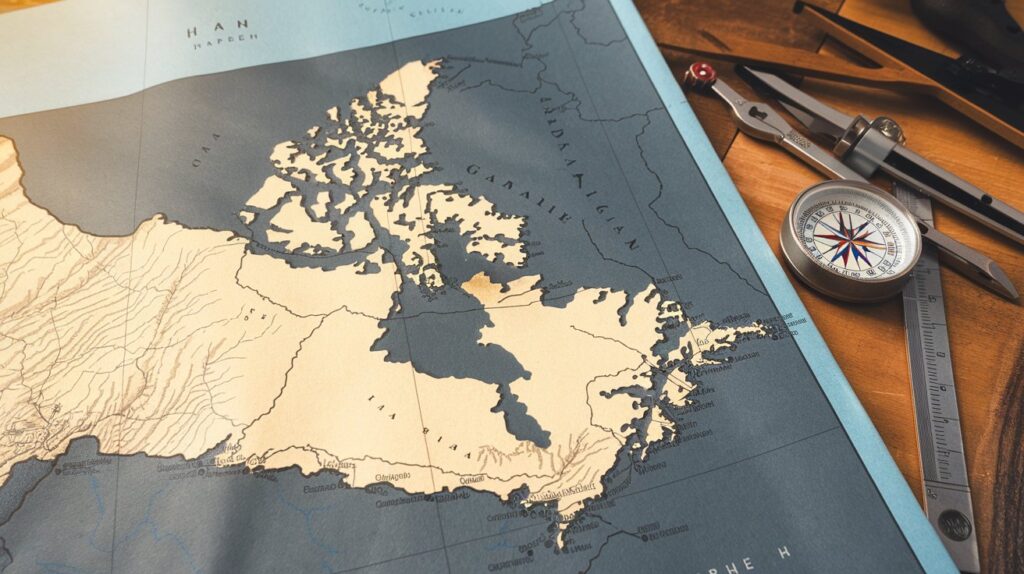
A Canadian Shield vegetation map reveals distinct biogeographic patterns reflecting climate gradients, geology, and disturbance history across the region. The northern boundary transitions to tundra around the treeline, where cold temperatures prevent tree establishment. Boreal forest dominates central areas, with species composition shifting from black spruce in lowlands to white spruce and jack pine on uplands. Southern boundaries transition to mixed forests containing more deciduous species where climate moderates and soils improve.
Wetland vegetation occupies 25-30% of the Shield landscape, featuring patterned peatlands, beaver ponds, and riparian zones along countless streams. These wetlands support specialized plant communities distinct from upland forests, including sedges, shrubs, and aquatic plants. Fire history creates a mosaic of different-aged forest stands, with recent burns supporting early successional species while mature forests demonstrate old-growth characteristics. Understanding these spatial patterns helps scientists predict ecosystem responses to climate change and management activities.
Latitudinal Vegetation Zones
Moving northward across the Shield, vegetation zones transition in response to decreasing temperatures and growing season length. The southern boreal forest features relatively dense tree cover, diverse understory, and greater productivity. Middle boreal regions display classic spruce-dominated forests with lichen and moss ground cover. Northern boreal forests become increasingly open, with stunted trees gradually giving way to forest-tundra transition zones where trees persist only in protected locations.
These latitudinal gradients reflect fundamental climate controls on plant distribution, with mean annual temperature serving as a primary determinant. Species ranges shift northward in response to climate warming observed since the 1980s, with tree line advancement documented at many monitoring sites. However, migration rates lag behind climate velocity, creating disequilibrium conditions where current vegetation composition reflects historical rather than contemporary climate conditions, a pattern expected to continue through 2026 and beyond.
Topographic and Edaphic Variations
Local topography creates fine-scale vegetation mosaics through effects on drainage, soil depth, and microclimate. South-facing slopes receive more solar radiation, supporting warmer microclimates and sometimes different species than north-facing aspects at the same latitude. Valley bottoms accumulate cold air and moisture, often harboring black spruce and wetland vegetation while adjacent ridges support jack pine and lichen communities. Elevation gradients compress vegetation zones, with mountain areas in eastern Shield regions displaying rapid transitions over short distances.
Bedrock geology influences vegetation patterns through effects on soil chemistry and drainage. Granite areas typically support jack pine and lichen communities, while more nutrient-rich rocks may support better forest development. Glacial features including eskers, moraines, and outwash plains create soil variation that diversifies local plant communities. These landscape-scale patterns persist over centuries unless disrupted by major disturbances, providing spatial heterogeneity essential for biodiversity and ecosystem resilience.
Natural Resources in the Canadian Shield Vegetation
The Canadian Shield vegetation provides numerous natural resources beyond timber, including non-timber forest products, genetic resources, and ecosystem services. Wild berries, particularly blueberries, generate commercial harvest opportunities worth millions annually. Maple syrup production occurs in southern transitional zones where sugar maple appears. Medicinal plants traditionally used by Indigenous peoples attract increasing interest for pharmaceutical development. These forest products represent sustainable harvest opportunities that complement rather than replace ecosystem functions.
Ecosystem services from Shield vegetation include massive carbon storage, water purification, and climate regulation at continental scales. Boreal forests store approximately 208 billion tons of carbon in vegetation and soils, making them globally significant for climate change mitigation. Vegetation stabilizes soil, moderates stream flow, and filters water that supplies millions of people. Biodiversity values include habitat for species from woodland caribou to countless insects, representing irreplaceable genetic diversity. Recognition of these ecosystem services increasingly influences land management decisions and conservation priorities across the Shield region.
Canadian Shield Landmarks and Vegetation Features
Notable Canadian Shield landmarks showcase the relationship between geology and vegetation, with iconic features including the Laurentian Mountains, Algonquin Provincial Park, and the Boundary Waters. These areas preserve old-growth forests that demonstrate natural vegetation structure without major human disturbance. Ancient white pines towering over 150 feet tall in protected sites represent relict populations from pre-logging eras. Rock formations create dramatic landscapes where vegetation clings to seemingly impossible surfaces, demonstrating plant resilience.
Lake-studded landscapes define much of the Shield, with over two million lakes creating extensive shoreline habitats. Riparian vegetation along these water bodies supports unique plant communities and provides critical wildlife habitat. Wetland complexes between lakes feature patterned peatlands with distinctive vegetation strings and pools visible from aerial perspectives. These landmark features attract researchers studying long-term ecological processes and visitors seeking wilderness experiences, contributing to both scientific understanding and regional economies through tourism.
10 Facts About Canadian Shield Vegetation
Understanding key facts about Canadian Shield vegetation provides insight into this remarkable ecosystem. First, boreal forest covers approximately 1.4 million square miles, making it one of Earth’s largest forest biomes. Second, black spruce can live over 250 years despite harsh conditions. Third, fire returns every 50-100 years on average, shaping vegetation composition and age structure. Fourth, over 32,000 insect species depend on Shield vegetation for survival. Fifth, Indigenous peoples have sustainably managed these ecosystems for over 10,000 years.
Sixth, vegetation productivity ranks among the lowest globally due to climate and soil limitations, with annual growth rates one-tenth those of temperate forests. Seventh, approximately 85% of Shield vegetation consists of just 15 tree species, demonstrating relatively low tree diversity compared to southern forests. Eighth, climate change has extended growing seasons by 10-14 days since 1950, measurably affecting vegetation phenology. Ninth, the Shield stores more carbon per acre in soils than in vegetation, with peatlands representing particularly important carbon reserves. Tenth, forest regeneration after disturbance can require 80-150 years to reach mature composition, highlighting the importance of conservation for these slow-recovering ecosystems.
Canadian Shield Population and Vegetation Interactions
The sparse Canadian Shield population density, averaging less than 5 people per square mile across most areas, reflects limited agricultural potential and remote location. Human settlements concentrate along southern margins and major transportation routes, with vast interior areas remaining sparsely inhabited. This low population has preserved extensive wilderness areas where natural vegetation persists largely unmodified by human activities, making the Shield globally significant for conservation.
Where populations do exist, vegetation interactions include forestry employment, recreation use, and subsistence harvesting. Communities depend on forests for economic opportunities and cultural connections to land. Indigenous communities maintain traditional ecological knowledge about plant uses, seasonal patterns, and sustainable harvesting practices. Urban centers at Shield margins, including parts of Minneapolis-St. Paul that extend onto Shield geology in Minnesota, create demand for forest products and recreation opportunities, influencing vegetation management across the broader region through market forces and conservation advocacy.
Related video about canadian shield vegetation
This video complements the article information with a practical visual demonstration.
FAQ – Common Questions
What grows on the Canadian Shield?
The Canadian Shield primarily supports boreal forest vegetation dominated by coniferous trees including black spruce, white spruce, jack pine, and balsam fir. Deciduous species like birch and aspen appear in mixed stands, particularly in southern areas. The understory contains blueberries, Labrador tea, and other shrubs adapted to acidic soils. Extensive moss and lichen communities cover forest floors and exposed bedrock. Northern areas transition to tundra with dwarf shrubs, sedges, and hardy perennials. Wetlands throughout the Shield support specialized vegetation including sphagnum mosses, sedges, and black spruce adapted to waterlogged conditions.
What is the vegetation in the Canadian Shield for kids?
Canadian Shield vegetation for kids includes evergreen trees that keep their needles all year, like Christmas trees growing wild across the landscape. These trees have special waxy needles that help them survive freezing winters when water is frozen. The forest floor features soft, thick moss carpets that feel spongy to walk on and colorful lichens growing on rocks. Berry bushes produce blueberries and cranberries that wildlife eat. Plants grow slowly because summers are short and soils are thin and rocky. Many plants have adapted to survive in conditions where regular garden plants would die, making them especially tough and interesting.
Can you grow crops on the Canadian Shield?
Growing crops on the Canadian Shield is extremely difficult and generally not economically viable due to multiple limiting factors. The thin, acidic soils lack nutrients and depth needed for most crops. Abundant bedrock exposure prevents cultivation across most areas. The short growing season of 90-120 frost-free days restricts crop options severely. Where agriculture does occur, it focuses on hay production, hardy grains, and livestock grazing in isolated areas with better glacial soils. The Shield’s value lies in forestry, mining, hydroelectric power, and wilderness recreation rather than agriculture, with these land uses better suited to natural conditions.
What kind of vegetation does Canada have in the Shield region?
Canada’s Shield region vegetation consists predominantly of boreal forest ecosystems covering approximately 70% of the area, with coniferous species including spruce, pine, and fir dominating. Mixed forests with birch, aspen, and poplar occur in southern and disturbed areas. Extensive wetlands featuring specialized bog and fen vegetation occupy 25-30% of the landscape. Northern areas support forest-tundra transition zones and true tundra. The understory includes diverse shrubs, mosses, lichens, and wildflowers adapted to shade and acidic conditions. This vegetation composition reflects adaptations to cold climate, thin soils, and frequent fire disturbances that have shaped these ecosystems over millennia.
How does climate affect Canadian Shield vegetation?
The Canadian Shield climate profoundly controls vegetation through temperature, precipitation, and growing season length. Long, cold winters with temperatures below -30°C require extreme cold tolerance from surviving plants. Short growing seasons of 90-120 days limit annual productivity and favor evergreen species that can photosynthesize year-round. Low annual temperatures slow decomposition and nutrient cycling, contributing to acidic, nutrient-poor soils. Precipitation patterns influence soil moisture and vegetation distribution, with well-drained areas supporting different communities than poorly-drained wetlands. Climate warming since the 1980s has extended growing seasons and shifted vegetation zones northward, with continued changes expected through 2026 and beyond as ecosystems respond to ongoing climate change.
What natural resources come from Canadian Shield vegetation?
Natural resources from Canadian Shield vegetation include commercial timber for lumber and pulp production, generating billions in annual economic value. Non-timber forest products include wild blueberries, cranberries, and maple syrup in southern areas. The vegetation provides critical ecosystem services including carbon storage in forests and peatlands, water purification, and wildlife habitat supporting hunting, fishing, and trapping. Biodiversity resources include genetic material for potential pharmaceutical development from medicinal plants. Recreation and tourism capitalize on pristine forests and wilderness experiences. Indigenous communities harvest traditional foods and materials sustainably. These diverse resources demonstrate that the Shield’s value extends far beyond conventional agriculture or development.
| Vegetation Aspect | Key Characteristics | Ecological Importance |
|---|---|---|
| Boreal Forest Dominance | Coniferous trees (spruce, pine, fir) covering 70% of region with specialized cold adaptations | Massive carbon storage, timber resources, wildlife habitat for caribou and countless species |
| Climate Limitations | Short 90-120 day growing season, temperatures to -30°C, thin acidic soils | Limits agricultural potential while preserving wilderness, shapes unique plant adaptations |
| Wetland Ecosystems | Peatlands and bogs covering 25-30% of landscape with sphagnum moss and sedges | Critical carbon storage, water filtration, specialized biodiversity habitats |
| Fire Adaptation | Natural fire return interval of 50-100 years shaping forest age structure | Maintains ecosystem diversity, promotes regeneration, creates habitat mosaics |
| Moss and Lichen Communities | Extensive ground cover with extreme environmental tolerance and slow growth | Soil formation, moisture retention, caribou food source, air quality indicators |
| Natural Resource Value | Forestry, berries, ecosystem services worth billions annually | Sustainable economic opportunities, climate regulation, recreation and tourism support |