
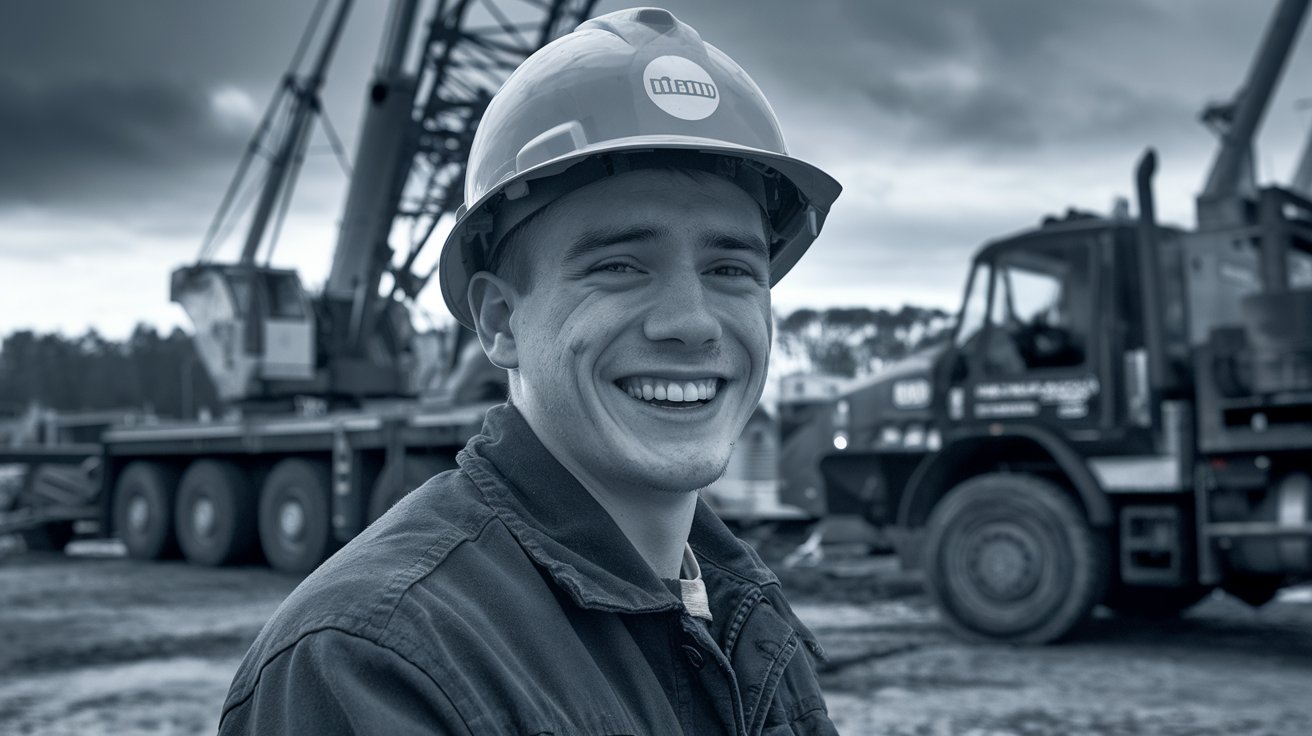
Thunder Bay serves as a strategic gateway to mining jobs in Ontario, connecting workers to high-paying opportunities at nearby operations like Lac des Iles Mine and Musselwhite Mine. With competitive salaries ranging from $65,000 to over $200,000 annually and growing demand across multiple sectors, mining careers in this region offer exceptional earning potential. Whether you’re seeking entry-level positions or specialized roles, Thunder Bay’s mining industry provides diverse pathways to lucrative employment in 2026.
Thunder Bay Mining Industry Overview in 2026
Thunder Bay’s strategic location positions it as a vital hub for mining operations across Northwestern Ontario. The city serves approximately 3,500 mining professionals who commute to various mine sites within a 300-mile radius. Major operations including Lac des Iles Mine and Musselwhite Mine rely heavily on Thunder Bay’s workforce infrastructure, offering year-round employment opportunities. The region’s mining sector contributes over $2.8 billion annually to Ontario’s economy, with Thunder Bay serving as the primary residential and logistical center for mine workers.
The mining jobs Thunder Bay market has expanded significantly in 2026, driven by increased global demand for palladium, gold, and critical minerals. Transportation accessibility through Highway 11 and 17 corridors makes Thunder Bay an ideal home base for fly-in-fly-out operations. Local colleges including Confederation College provide specialized training programs that prepare candidates for immediate employment at nearby mines, creating a steady pipeline of qualified workers for both entry-level and experienced positions.
Major Mining Employers Near Thunder Bay
Several world-class mining operations actively recruit from Thunder Bay’s workforce pool, offering competitive compensation packages and comprehensive benefits.
Lac des Iles Mine Employment Opportunities
Located approximately 90 kilometers northwest of Thunder Bay, Lac des Iles Mine operated by Impala Platinum employs over 450 workers in palladium production. This operation offers positions ranging from underground miners earning $85,000 to $110,000 annually to mine engineers commanding salaries between $120,000 and $165,000. The mine operates on a continuous production schedule with various rotation options including 14-days-on/14-days-off and residential work arrangements. Lac des Iles Mine jobs include heavy equipment operators, geologists, metallurgists, maintenance technicians, and environmental specialists, with comprehensive training provided for qualified candidates.
Employment at Lac des Iles features exceptional benefits including health and dental coverage, pension contributions up to 8%, annual bonuses averaging 12-18% of base salary, and professional development opportunities. The mine prioritizes safety with industry-leading incident rates below 0.5 per 200,000 hours worked. Many Thunder Bay residents find the commute manageable for daily travel, while others utilize company-provided accommodations during rotation schedules. The operation maintains strong hiring pipelines for both entry-level mining positions and experienced professionals throughout 2026.
Musselwhite Mine Career Options
The Musselwhite Mine, operated by Newmont Corporation and situated 500 kilometers north of Thunder Bay, represents one of Canada’s most productive gold mining operations. This fly-in-fly-out operation employs approximately 350 workers on rotational schedules, with most personnel residing in Thunder Bay between shifts. Musselwhite Mine jobs offer premium compensation with underground miners earning $95,000 to $125,000 annually, skilled trades workers receiving $105,000 to $140,000, and mining supervisors commanding $130,000 to $180,000 in total compensation including bonuses and profit-sharing.
Working at Musselwhite involves rotation schedules of 14-days-on/14-days-off or 21-days-on/21-days-off, with all transportation, accommodation, and meals provided during work periods. The isolated nature of the operation results in higher base salaries compared to drive-to mines, making it attractive for Thunder Bay professionals seeking maximum earning potential. Positions span all mining disciplines including drilling, blasting, ground control, equipment maintenance, processing, and mine planning, with active recruitment for both experienced workers and apprentices willing to undergo comprehensive on-site training programs.
Mining Job Salary Ranges and Compensation in 2026
Understanding salary expectations is crucial when pursuing mining careers from Thunder Bay. Compensation varies significantly based on position type, experience level, and mine location.
Entry-Level Mining Position Salaries
Entry-level opportunities in Ontario mining accessible from Thunder Bay start at competitive wages that exceed most industries. Surface laborer positions begin at $55,000 to $68,000 annually with full benefits, while underground laborer roles command $65,000 to $78,000 due to working environment premiums. Equipment operator trainees earn between $70,000 and $85,000 during apprenticeship periods, with substantial increases upon certification. These entry-level mining jobs typically require only high school completion, safety certifications, and willingness to work rotation schedules, making them accessible to career changers and new graduates alike.
Many operations near Thunder Bay offer paid training programs that allow workers to earn while developing specialized skills. Mill operators in training start at $68,000 to $82,000, sampler and assayer assistants earn $62,000 to $75,000, and maintenance helpers receive $65,000 to $80,000 annually. The mining industry in Canada maintains strong wage floors that ensure even beginning workers earn substantial incomes, with overtime opportunities frequently pushing first-year earnings above $85,000. Health benefits, retirement contributions, and performance bonuses typically add an additional 15-20% to base compensation values.
Experienced Mining Professional Compensation
Experienced professionals command significantly higher compensation in Thunder Bay’s mining sector. Underground miners with 3-5 years of experience earn $90,000 to $120,000 annually, while those with specialized skills in raise boring, long-hole drilling, or jumbo operation command $110,000 to $135,000. Heavy equipment operators including scoop tram, haul truck, and loader operators with valid certifications earn $95,000 to $125,000, with overtime opportunities regularly exceeding $140,000 in total annual earnings. These positions require demonstrated competency, valid certifications, and proven safety records.
Skilled trades professionals represent the highest-paid mining jobs accessible from Thunder Bay. Journeyman electricians earn $105,000 to $145,000, millwrights receive $100,000 to $140,000, and heavy-duty mechanics command $110,000 to $150,000 annually. Mine supervisors and shift bosses earn between $120,000 and $165,000, while mine planning engineers and senior geologists receive $130,000 to $190,000. Executive positions including mine managers and chief engineers can exceed $200,000 annually with bonuses and profit-sharing arrangements. The combination of base salary, overtime premiums, shift differentials, and performance bonuses enables experienced mining professionals in Ontario to achieve substantial six-figure incomes.
Types of Mining Jobs Available from Thunder Bay
The diversity of mining job opportunities ensures positions exist for various skill sets, educational backgrounds, and career aspirations.
Underground Mining Positions
Underground operations dominate the Thunder Bay mining employment landscape with positions including drift miners, stope miners, scoop tram operators, and long-hole drillers. These roles require comfort working in confined spaces, physical fitness, and strict adherence to safety protocols. Production miners operate sophisticated drilling and blasting equipment to extract ore, earning $90,000 to $125,000 annually depending on experience and mine location. Ground control workers who install rock bolts and mesh to secure excavations earn $85,000 to $115,000, while raise climbers who develop vertical access ways command premium wages of $100,000 to $135,000 due to specialized skill requirements.
Ventilation technicians ensuring air quality in underground environments earn $95,000 to $130,000, and cage tenders managing personnel and material hoisting receive $75,000 to $95,000 annually. These underground mining positions typically work 10 to 12-hour shifts on rotation schedules, with all safety equipment and specialized training provided by employers. Many Thunder Bay residents build entire careers in underground roles, progressing from entry positions to supervisory roles commanding compensation exceeding $150,000 annually. The specialized nature of underground work creates consistent demand for trained professionals throughout Northwestern Ontario’s mining operations.
Surface and Processing Operations Jobs
Surface operations offer alternative career paths for those preferring above-ground work environments. Mill operators who oversee crushing, grinding, and ore processing earn $80,000 to $110,000 annually, while flotation operators managing mineral separation processes receive $85,000 to $115,000. Heavy equipment operators running excavators, loaders, and haul trucks in open-pit or surface areas command $90,000 to $120,000, with experienced operators frequently exceeding $130,000 with overtime. These mining jobs in Ontario provide excellent work-life balance with more predictable schedules compared to underground positions.
Laboratory technicians performing assays and quality control earn $70,000 to $95,000, environmental monitors ensuring regulatory compliance receive $75,000 to $105,000, and warehouse coordinators managing parts and supplies earn $65,000 to $85,000 annually. Maintenance planners who schedule equipment servicing command $90,000 to $120,000, while mine planning technicians using specialized software earn $85,000 to $115,000. Surface positions accessible from Thunder Bay often attract workers seeking stable dayshift arrangements or those transitioning into mining from other industries, providing entry points to the sector without underground experience requirements.
Technical and Engineering Roles
Technical professionals drive innovation and efficiency in Northwestern Ontario’s mining operations. Mining engineers with 3-7 years of experience earn $110,000 to $155,000, while senior engineers with specialized expertise in ventilation, ground control, or mine design command $140,000 to $190,000 annually. Geological engineers and senior geologists exploring and defining ore bodies receive $120,000 to $175,000, with chief geologists at major operations exceeding $200,000 in total compensation. These positions require relevant university degrees and professional engineer designations where applicable.
Metallurgical engineers optimizing recovery processes earn $115,000 to $160,000, while environmental engineers ensuring compliance and sustainability receive $105,000 to $145,000 annually. Mine surveyors providing critical spatial data command $90,000 to $130,000, and hydrogeologists managing water resources earn $100,000 to $140,000. Automation specialists implementing new technologies receive $110,000 to $155,000, while data analysts optimizing production earn $95,000 to $135,000. These technical mining positions headquartered in Thunder Bay offices often involve site rotations, combining fieldwork with office-based analysis and planning activities.
Part-Time and Flexible Mining Employment Options
While full-time permanent positions dominate, mining jobs Thunder Bay part time opportunities exist for specialized circumstances. Some operations hire part-time environmental monitors during seasonal assessment periods, earning $35 to $48 per hour for flexible scheduling. Consulting geologists and engineers often work project-based contracts that allow part-time engagement, billing $85 to $150 per hour depending on expertise. Retired mining professionals frequently return as part-time safety trainers, earning $45 to $75 per hour for delivering certification courses to new workers.
Warehouse and supply chain positions occasionally offer part-time arrangements during inventory cycles, paying $28 to $38 per hour. Camp services including catering, housekeeping, and recreation coordination at remote sites sometimes accommodate part-time schedules, earning $25 to $35 per hour with rotation arrangements. However, most operational mining positions require full-time commitment due to training investments and rotation scheduling complexity. Individuals seeking part-time mining work from Thunder Bay should focus on service, consulting, or training roles rather than direct production positions. Contract placements through specialized staffing agencies also provide flexible engagement options for experienced professionals.
Required Qualifications and Certifications
Securing mining employment from Thunder Bay requires specific credentials that vary by position type and responsibility level.
Essential Mining Certifications
All underground workers must obtain Common Core certification through accredited training providers, covering topics including workplace hazardous materials, confined space entry, fall protection, and emergency response. This foundational requirement costs approximately $800 to $1,200 and takes 5 to 7 days to complete. Ground support installation certification enables workers to perform critical rock bolting and meshing activities, adding $600 to $900 in training costs and 3 to 4 days of instruction. These certifications remain valid for three years with annual refresher requirements.
Heavy equipment operators require valid operator certificates specific to each machine type, obtained through Confederation College or private training providers in Thunder Bay at costs ranging from $3,000 to $6,000 depending on equipment complexity. Blasting certificates for handling explosives require completion of a six-week course costing approximately $2,500, followed by practical experience under supervision. First aid and CPR certifications are mandatory across all mining positions, renewable every three years at costs around $150 to $250. Most employers reimburse certification costs upon successful completion of probationary employment periods, making these investments recoverable for committed workers.
Educational Requirements by Position Type
Entry-level laborer and operator positions require high school completion or equivalent, with employers providing on-the-job training for technical skills. Skilled trades positions demand completion of recognized apprenticeship programs, typically requiring four years of combined classroom instruction and practical experience. Journeyman certification through Ontario’s skilled trades system is mandatory for electricians, millwrights, and mechanics working in mining operations, ensuring standardized competency across the industry.
Technical positions require relevant post-secondary credentials with mining engineers needing four-year engineering degrees from accredited universities, followed by four years of supervised work experience to obtain Professional Engineer designation. Geologists require bachelor’s degrees in geology or earth sciences, with many employers preferring master’s degrees for senior positions. Metallurgical engineers need specialized engineering degrees focusing on mineral processing and extractive metallurgy. These professional mining positions command the highest compensation levels but require substantial educational investments. Confederation College in Thunder Bay offers mining engineering technician and technologist programs that provide alternative pathways to technical careers without full engineering degrees, with graduates earning $75,000 to $105,000 in supervisory and planning roles.
How to Find and Apply for Mining Jobs from Thunder Bay
Successfully securing mining employment requires strategic application approaches and understanding of recruitment channels used by Northwestern Ontario operations.
Primary Job Search Resources
Company career websites represent the most direct application channel, with major employers including Impala Platinum, Newmont, and other operators posting openings directly. These platforms allow candidates to create profiles, upload credentials, and apply specifically for Thunder Bay mining positions. Indeed, Workopolis, and Monster aggregate mining postings across multiple employers, enabling broad searches filtered by location, salary range, and position type. Setting up automated alerts for keywords like mining jobs Thunder Bay, Lac des Iles Mine, and Musselwhite Mine ensures immediate notification of new opportunities.
Specialized mining recruitment agencies including Peak Recruitment, Mining People International, and Northern Staffing Solutions maintain Thunder Bay offices and established relationships with regional employers. These agencies often access unadvertised positions and can provide resume optimization, interview preparation, and salary negotiation support. LinkedIn has become increasingly important for professional mining positions, with recruiters actively searching for candidates with relevant skills and certifications. Confederation College’s career services office maintains job boards specifically for mining sector opportunities and facilitates employer connections for recent graduates and program participants.
Application Best Practices
Successful applications for mining jobs emphasize safety awareness, relevant certifications, and demonstrated reliability. Resumes should prominently feature all mining-specific credentials including Common Core, equipment operator certificates, blasting licenses, and trade qualifications with certification numbers and expiry dates. Quantifying previous experience with specific metrics such as tons moved per shift, equipment uptime percentages, or safety incident-free hours worked strengthens applications significantly. Highlighting experience with specific equipment brands, software systems, or mining methods relevant to target employers demonstrates immediate value.
Cover letters should address rotation schedule willingness, transportation arrangements, and understanding of remote work conditions that characterize many Ontario mining operations. References from previous mining supervisors carry substantial weight, with three professional references being standard requirements. Background checks and pre-employment medicals are universal requirements, so maintaining clean records and good physical fitness is essential. Many operations use applicant tracking systems that scan for specific keywords, making it crucial to mirror language from job postings in application materials. Follow-up communication demonstrating genuine interest without being intrusive can differentiate candidates in competitive hiring situations.
City of Thunder Bay Employment Opportunities
Beyond private mining operations, the City of Thunder Bay offers municipal employment supporting the broader mining sector ecosystem. Public works positions maintaining infrastructure that services mining commuters pay $55,000 to $85,000 annually with excellent pension benefits. Economic development officers focusing on mining sector attraction and retention earn $70,000 to $95,000, while building inspectors ensuring compliance in mining-related construction receive $65,000 to $90,000. These municipal positions provide stable employment alternatives for individuals connected to Thunder Bay’s mining community.
Thunder Bay’s municipal government employs approximately 1,800 workers across various departments, with benefits including defined benefit pensions, comprehensive health coverage, and stable work schedules. While not direct mining employment, these City of Thunder Bay jobs support families where one partner works mining rotations, providing household income stability during employment transitions. Municipal hiring processes are formalized with transparent job postings, standardized interviews, and merit-based selection. The city’s website maintains current employment listings with detailed qualification requirements and compensation transparency.
Mining Jobs in Thunder Bay for Career Changers
Transitioning into mining careers from other industries is increasingly common as workers seek higher compensation and stable employment. Trades professionals from construction, manufacturing, or transportation sectors possess transferable skills highly valued in mining operations. Electricians, mechanics, and welders can transition relatively seamlessly by obtaining mining-specific safety certifications, typically requiring only 2 to 3 weeks of additional training. Heavy equipment operators from forestry, construction, or road building can leverage existing skills, with employers providing mine-specific equipment training during onboarding periods.
Professionals from declining industries including retail, hospitality, and traditional manufacturing increasingly pursue entry-level mining positions that offer substantially higher earning potential. Many operations value maturity, reliability, and strong work ethic over specific mining experience when hiring for laborer and operator trainee positions. Government-funded training programs through Employment Ontario occasionally subsidize career transition training, covering costs for Common Core certification and basic operator training for eligible workers. Confederation College offers bridging programs specifically designed for career changers, providing accelerated paths to mining employment.
The demographic reality of an aging mining workforce creates opportunities for career changers, with operations actively recruiting to replace retiring workers. Many employers prioritize attitude, reliability, and safety consciousness over extensive experience, recognizing that technical skills can be taught to motivated individuals. Mining jobs Thunder Bay offers represent viable career transformation options for workers willing to embrace rotation schedules, physical demands, and commitment to continuous safety awareness. Success stories of workers doubling or tripling their previous incomes within 12 to 18 months of entering the sector demonstrate the substantial opportunities available.
Future Outlook for Thunder Bay Mining Employment
The long-term outlook for mining jobs in Ontario accessible from Thunder Bay remains positive through 2030 and beyond. Global demand for critical minerals including lithium, cobalt, nickel, and palladium continues expanding driven by electric vehicle production and renewable energy infrastructure. Northwestern Ontario hosts significant deposits of these materials, with exploration activities identifying new potential mine sites that could create thousands of additional jobs. Government initiatives including the Critical Minerals Strategy prioritize development of domestic supply chains, potentially catalyzing new operations within Thunder Bay’s commutable or fly-in-fly-out range.
Technological advancement drives evolution rather than elimination of mining employment, with automation and digitalization creating demand for new skill sets while reducing physically demanding manual labor. Operations increasingly seek workers comfortable with technology, data analysis, and equipment monitoring rather than exclusively manual capabilities. This evolution creates opportunities for younger workers and career changers from technology sectors to enter mining with fresh perspectives. However, traditional trades and operator positions remain essential and will continue representing the majority of available positions through the next decade.
Demographics favor job seekers, with approximately 35% of Ontario’s current mining workforce expected to retire by 2028, creating significant replacement demand. This retirement wave ensures consistent hiring across all position types and experience levels, with employers competing aggressively for qualified candidates. Compensation is likely to increase faster than general inflation as operators address recruitment challenges, making mining careers increasingly attractive relative to other sectors. Thunder Bay’s established position as the residential hub for Northwestern Ontario mining ensures the city will remain central to the region’s employment ecosystem, with infrastructure investments strengthening this role throughout the coming decade.
Related video about mining jobs thunder bay
This video complements the article information with a practical visual demonstration.
Most asked questions about mining jobs thunder bay
What is the highest paid mining job accessible from Thunder Bay?
The highest paid mining positions accessible from Thunder Bay are senior mining engineers and mine managers, earning $180,000 to $250,000 annually including bonuses and profit-sharing. Chief geologists at major operations like Musselwhite Mine command $200,000 to $240,000, while metallurgical superintendents earn $170,000 to $220,000. These roles require extensive experience, professional engineering designations, and proven track records in optimizing production and safety. Specialized consulting geologists and engineers can exceed these figures on project-based contracts, billing $150 to $250 per hour for expert services.
How much does mining pay in Ontario for entry-level positions?
Entry-level mining positions in Ontario accessible from Thunder Bay pay between $55,000 and $78,000 annually for laborer roles, with underground positions commanding higher rates due to working environment premiums. Equipment operator trainees earn $70,000 to $85,000 during apprenticeship periods, while mill operator trainees receive $68,000 to $82,000. These positions include comprehensive benefits packages adding 15-20% additional value, and overtime opportunities frequently push first-year total earnings above $85,000. Most entry-level roles require only high school completion and willingness to obtain basic mining certifications through employer-sponsored training.
Are there mining jobs in Thunder Bay with no experience needed?
Yes, numerous mining operations near Thunder Bay hire workers with no previous mining experience for laborer and trainee positions. Surface laborers, camp service workers, and general underground helpers can start with only high school completion and willingness to complete safety training. Employers provide comprehensive on-the-job training covering equipment operation, safety protocols, and job-specific skills. Entry wages for no-experience positions range from $55,000 to $70,000 annually, with rapid advancement opportunities for reliable workers who demonstrate competency and safety awareness. Many successful mining careers begin in these entry-level roles, with workers progressing to specialized positions earning over $100,000 within 3 to 5 years.
What rotation schedules are common for Thunder Bay mining jobs?
Mining jobs accessible from Thunder Bay operate on various rotation schedules depending on mine location and operation type. Drive-to mines like Lac des Iles typically offer day shifts, afternoon shifts, or night shifts with daily commutes, working 4 days on and 3 days off or similar patterns. Fly-in-fly-out operations like Musselwhite Mine commonly use 14-days-on/14-days-off or 21-days-on/21-days-off schedules, with employers providing all transportation, accommodation, and meals during work periods. Some operations offer 7-days-on/7-days-off rotations for certain positions. Workers can often request preferred schedules based on seniority and family circumstances, with schedule flexibility improving as experience increases.
What training programs in Thunder Bay prepare workers for mining careers?
Confederation College in Thunder Bay offers comprehensive mining training programs including Mining Engineering Technician and Technologist diplomas, Heavy Equipment Operator certification, and various trades apprenticeships in electrical, mechanical, and millwright disciplines. The college provides Common Core safety training required for all underground workers, typically completed in 5 to 7 days. Private training providers in Thunder Bay offer equipment operator courses, blasting certification programs, and specialized skills training. Many programs include work placement components connecting students directly with local mining employers. Government-funded training subsidies through Employment Ontario can cover costs for eligible workers, making career transition into mining financially accessible.
Can you work part-time in Thunder Bay mining jobs?
Part-time mining employment from Thunder Bay is limited, with most operational positions requiring full-time commitment due to rotation scheduling and training investments. However, some opportunities exist for specialized roles including consulting geologists and engineers who work project-based contracts, safety trainers delivering certification courses at $45 to $75 per hour, and environmental monitors during seasonal assessment periods earning $35 to $48 per hour. Camp service positions including catering and housekeeping occasionally accommodate part-time arrangements. Retired mining professionals often return part-time as mentors and trainers. Workers seeking flexible schedules should focus on consulting, training, or service roles rather than direct production positions.
| Position Category | Salary Range (2026) | Key Requirements |
|---|---|---|
| Entry-Level Laborer | $55,000 – $78,000 | High school completion, Common Core certification |
| Equipment Operator | $90,000 – $125,000 | Operator certificates, 3-5 years experience |
| Skilled Trades | $105,000 – $150,000 | Journeyman certification, mining experience |
| Mining Engineer | $110,000 – $190,000 | Engineering degree, P.Eng designation |
| Mine Manager/Senior Role | $180,000 – $250,000 | Extensive experience, professional designation |