The Canadian Shield climate is characterized by long, harsh winters and short, mild summers typical of subarctic and continental climates. Spanning nearly half of Canada’s territory, this massive geological region experiences extreme temperature variations ranging from -40°F in winter to 77°F in summer. Understanding the climate patterns of the Canadian Shield is essential for travelers, researchers, and anyone interested in this ancient landscape that influences weather patterns across North America.
What Type of Climate Dominates the Canadian Shield
The Canadian Shield experiences primarily subarctic and humid continental climate zones, with significant variations across its vast 1.8 million square mile expanse. The northern portions fall within the subarctic climate classification, while southern regions exhibit humid continental characteristics. This climate diversity results from the region’s massive geographical spread, extending from the Arctic Circle southward to the Great Lakes region.
The climate patterns are heavily influenced by latitude and proximity to water bodies, creating distinct weather zones throughout the Shield. Air masses from the Arctic dominate winter conditions, bringing frigid temperatures and heavy snowfall. During summer months, continental air masses from the south provide brief respite with warmer temperatures. The Shield’s ancient Precambrian rock surface, lacking significant vegetation cover in many areas, contributes to rapid temperature fluctuations and minimal moisture retention.
Temperature Patterns Throughout the Year
Temperature variations in the Canadian Shield are among the most extreme in North America, reflecting the harsh continental climate conditions. Understanding these patterns helps explain the unique ecosystem adaptations and challenges faced by communities within this region.
Winter Temperatures in the Canadian Shield
Winter in the Canadian Shield typically spans from November through March, with January being the coldest month across most regions. Average winter temperatures range from -4°F to -22°F (-20°C to -30°C) in northern areas, while southern portions experience slightly milder conditions between 5°F and -13°F (-15°C to -25°C). Extreme cold snaps can push temperatures below -40°F (-40°C), particularly in northern Manitoba, northern Ontario, and Quebec regions. The winter season brings approximately 120 to 180 days of freezing temperatures annually, with permafrost conditions persisting in the northernmost sections. Wind chill factors often make conditions feel significantly colder, with effective temperatures dropping an additional 15-25°F below actual readings.
Summer Climate Conditions
The Canadian Shield summer season is remarkably brief, typically lasting from June through August, with July representing the warmest month. Average summer temperatures range from 59°F to 77°F (15°C to 25°C) in southern regions, while northern areas experience cooler conditions between 50°F and 64°F (10°C to 18°C). Maximum daytime temperatures can occasionally reach 86°F to 95°F (30°C to 35°C) during heat waves, particularly in southern Shield regions near populated areas. The summer growing season lasts only 60 to 100 days depending on latitude, significantly limiting agricultural activities. Nights remain cool even during peak summer, with temperatures often dropping to 41°F to 50°F (5°C to 10°C), creating ideal conditions for the boreal forest ecosystem that dominates much of the landscape.
Precipitation and Moisture Patterns
The Canadian Shield receives moderate annual precipitation, averaging between 16 to 40 inches (400 to 1,000 millimeters) depending on location and proximity to major water bodies. Northern regions typically receive less precipitation, approximately 16 to 24 inches annually, while southern areas near the Great Lakes can receive up to 40 inches. The precipitation distribution is relatively even throughout the year, though summer months from June to September typically see increased rainfall activity.
Snowfall constitutes a significant portion of annual precipitation, with the Canadian Shield receiving between 80 to 160 inches of snow annually in most regions. Snow cover persists for 150 to 200 days per year, creating a defining characteristic of the landscape. The thousands of lakes and rivers throughout the Shield influence local precipitation patterns, with lake-effect snow contributing substantial additional moisture to areas downwind of major water bodies. Spring melt in April and May creates dramatic hydrological events, with runoff feeding the extensive river systems that drain the Shield toward Hudson Bay, the Atlantic Ocean, and the Great Lakes.
Seasonal Transitions and Shoulder Seasons
Spring and fall represent brief transitional periods in the Canadian Shield climate, each lasting approximately six to eight weeks. These shoulder seasons are characterized by rapid temperature changes and highly variable weather conditions that can shift dramatically within days or even hours.
Spring Weather in the Canadian Shield
Spring typically arrives in late April to early May, marked by rapidly melting snow and rising temperatures. Daily temperature fluctuations are extreme during this period, with daytime highs reaching 41°F to 59°F (5°C to 15°C) while nighttime lows frequently drop below freezing at 23°F to 32°F (-5°C to 0°C). The spring melt transforms the landscape, swelling rivers and lakes to peak levels and creating challenging travel conditions. This season sees increased precipitation, primarily as rain in southern regions and mixed rain-snow events in northern areas. Ice-out dates for lakes vary from late April in the south to late May or early June in northern regions, marking an important ecological transition point.
Fall Climate Characteristics
Autumn arrives quickly in the Canadian Shield, typically beginning in early September in northern regions and mid-September in southern areas. Temperatures decline rapidly from comfortable summer highs to freezing conditions within six to eight weeks. Average fall temperatures range from 50°F to 32°F (10°C to 0°C), with first frost occurring as early as late August in northern areas and mid-September to early October in southern regions. The fall foliage season is spectacular but brief, lasting only two to three weeks as deciduous trees display vibrant colors before winter dormancy. First snowfall typically occurs in October for northern regions and November for southern areas, though early season storms can arrive as early as September in high latitude zones.
Solar Radiation and Daylight Variations
The Canadian Shield experiences extreme variations in daylight hours due to its northern latitude, ranging from approximately 42°N to 60°N. During winter solstice in December, southern Shield regions receive about 8 to 9 hours of daylight, while northern areas may experience only 5 to 6 hours. Conversely, summer solstice brings extended daylight, with southern regions enjoying 15 to 16 hours and northern areas experiencing up to 18 to 19 hours of daylight or even continuous twilight near the Arctic Circle.
Solar radiation intensity varies significantly by season, with winter months receiving only 20 to 30 percent of summer solar energy. The low sun angle during winter, combined with high albedo from snow cover reflecting up to 80 percent of incoming solar radiation, contributes to sustained cold conditions. Summer solar radiation is intense despite the northern latitude, with clear skies and long daylight hours providing substantial energy for ecosystem productivity during the brief growing season. This seasonal solar variation drives the extreme temperature ranges and influences the unique adaptations of both flora and fauna in the region.
How Climate Affects Canadian Shield Wildlife
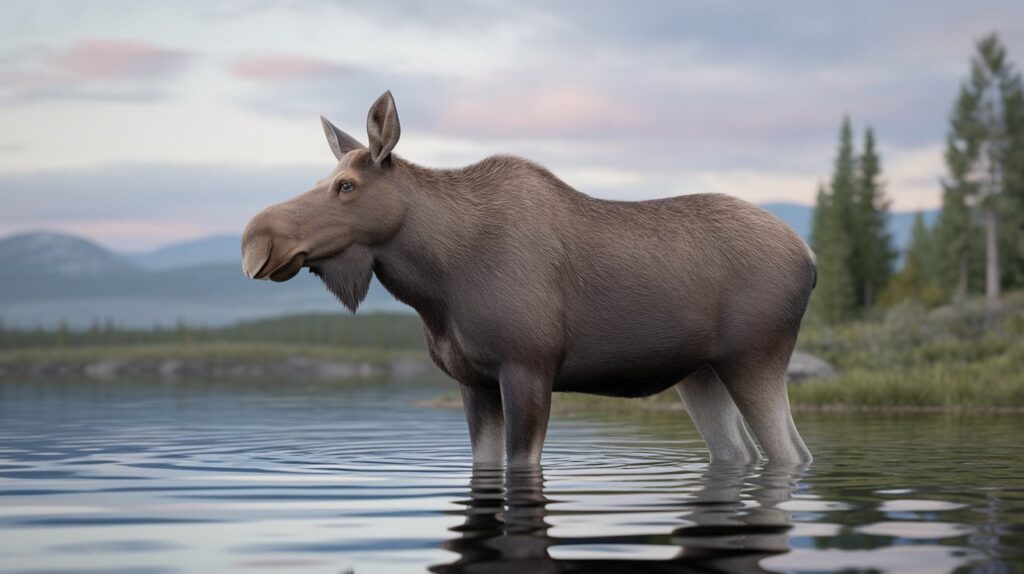
What lives in the Canadian Shield is directly determined by the harsh climate conditions that demand specialized adaptations. The region supports diverse wildlife including caribou, moose, black bears, wolves, lynx, and numerous bird species that have evolved strategies to survive extreme temperature variations. Large mammals develop thick winter coats and accumulate substantial fat reserves to endure the long, cold season.
Many bird species are migratory, leaving the Shield during winter months and returning in spring to exploit the brief but productive summer breeding season. Waterfowl, including various duck and loon species, utilize the thousands of Shield lakes for nesting. Small mammals like voles, lemmings, and snowshoe hares exhibit population cycles influenced by winter severity and food availability. Fish populations in Shield lakes, including lake trout, walleye, and northern pike, have adapted to the cold, nutrient-poor waters characteristic of the region. The climate creates distinct ecological zones, with boreal forest dominating southern areas transitioning to taiga and tundra in northern regions, each supporting specialized wildlife communities adapted to specific temperature and precipitation regimes.
Canadian Shield Vegetation and Climate Relationships
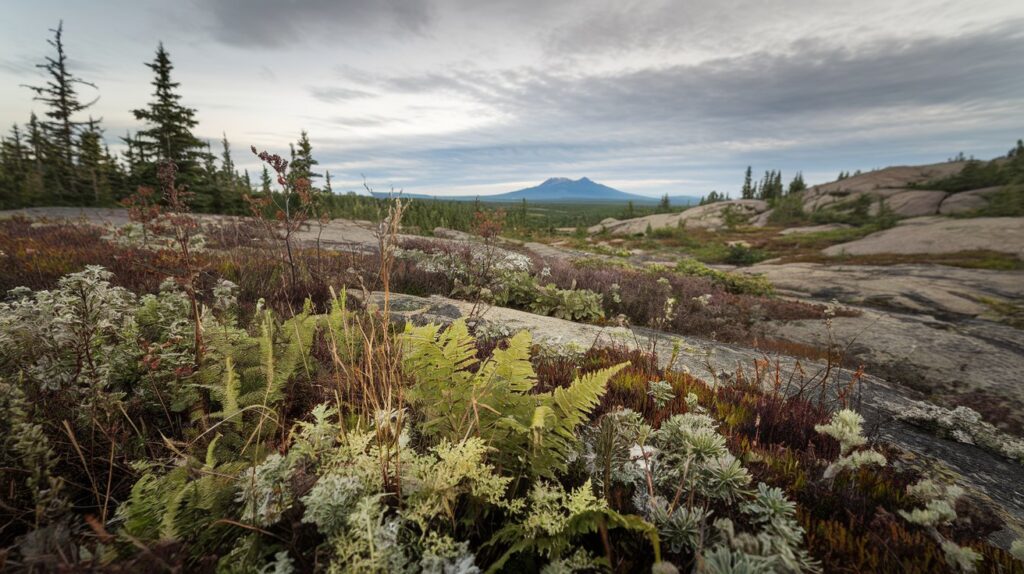
The Canadian Shield vegetation is predominantly boreal forest, also known as taiga, characterized by coniferous trees adapted to cold temperatures and short growing seasons. Black spruce, white spruce, jack pine, and balsam fir dominate the forest canopy, with these species capable of surviving temperatures well below -40°F and completing their life cycles within the brief 60 to 100 day growing season.
Deciduous species including trembling aspen, white birch, and balsam poplar grow in mixed stands, particularly in southern Shield regions and disturbed areas recovering from forest fires. The understory vegetation consists of hardy shrubs like blueberry, Labrador tea, and alder, along with extensive moss and lichen coverage on the ancient rock surfaces. Northern regions transition to sparse taiga woodland and eventually tundra, where only low-growing shrubs, grasses, sedges, and extensive lichen communities can survive the extremely short growing season and permafrost conditions. The climate limits tree growth rates, with many Shield conifers requiring 80 to 120 years to reach maturity, and growth rings measuring only 1 to 2 millimeters annually in harsh northern locations.
Climate Change Impacts on the Canadian Shield
The Canadian Shield is experiencing accelerated climate change effects as of 2026, with warming occurring at approximately twice the global average rate. Winter temperatures have increased by 3.6°F to 5.4°F (2°C to 3°C) over the past 30 years in many regions, leading to shorter ice cover duration on lakes, earlier spring melt, and altered precipitation patterns. These changes are shifting ecosystem boundaries northward, with boreal forest species expanding into formerly tundra regions at unprecedented rates.
Permafrost thawing in northern Shield areas is releasing stored carbon and methane, creating feedback loops that accelerate warming. Wildlife populations are experiencing stress from habitat changes, with some species like woodland caribou facing range contractions while others like white-tailed deer expand northward into previously unsuitable habitat. Forest fire frequency and intensity have increased significantly, with the 2023-2025 period seeing record fire seasons across Ontario, Quebec, and Manitoba Shield regions. Hydrological changes include altered streamflow patterns, with earlier spring peaks and lower summer base flows affecting aquatic ecosystems and hydroelectric power generation. Indigenous communities and resource industries are adapting to these rapid changes, which present both challenges and opportunities for the region’s future development.
Regional Climate Variations Across the Shield
The Canadian Shield spans multiple climate zones across its massive extent, creating significant regional variations in weather patterns. The southern Shield regions bordering the Great Lakes experience the most moderate conditions, with milder winters and warmer summers influenced by large water bodies that moderate temperature extremes.
Eastern Canadian Shield Climate
The eastern Shield in Quebec and Labrador experiences maritime-influenced continental climate, with higher precipitation totals reaching 40 to 47 inches (1,000 to 1,200 millimeters) annually in some areas due to Atlantic moisture. Winter temperatures are extremely cold, frequently dropping below -22°F (-30°C), while summers remain cool with averages between 59°F and 68°F (15°C to 20°C). This region receives substantial snowfall, often exceeding 160 inches annually, with snow cover persisting well into May in northern areas. The topography includes higher elevations that create localized climate variations, with the Torngat Mountains and areas of northern Quebec experiencing alpine tundra conditions despite relatively southern latitudes.
Western Shield Climate Patterns
The western Canadian Shield in Manitoba and Saskatchewan exhibits the most continental climate characteristics, with lower precipitation averaging 16 to 24 inches (400 to 600 millimeters) annually and the most extreme temperature ranges. Winter cold is particularly severe, with extended periods below -22°F (-30°C) and frequent Arctic air outbreaks pushing temperatures to -40°F (-40°C) or lower. Summer temperatures can be surprisingly warm, occasionally reaching 86°F to 95°F (30°C to 35°C) during July heat waves. The western Shield receives less snow than eastern regions but experiences more persistent snow cover due to lower temperatures and reduced mid-winter melting events. This area exhibits the shortest growing season, limiting vegetation to hardy boreal species and creating challenging conditions for human habitation.
Unique Canadian Shield Landmarks and Climate
The Canadian Shield features distinctive landmarks shaped by climate and geological processes, creating iconic landscapes recognized worldwide. These landmarks demonstrate the interplay between ancient bedrock, glacial history, and current climate conditions that continue to shape the region.
Major landmarks include the Precambrian rock outcrops displaying 2.5 to 4.3 billion year old formations, countless glacially-carved lakes numbering over 250,000, and extensive peatland complexes covering millions of acres. The Hudson Bay lowlands represent a unique subarctic wetland environment where Shield rock dips below sea level, creating vast muskeg areas influenced by the moderating but cooling effect of Hudson Bay waters. Niagara Falls, positioned at the southern Shield margin, demonstrates the erosional power of water flowing over Shield bedrock. The Sudbury Basin in Ontario, created by ancient meteorite impact, creates localized climate variations due to its unique topography. Northern Shield regions feature eskers, drumlins, and other glacial deposits that create distinctive landforms influencing local drainage, vegetation patterns, and microclimate variations across the landscape.
Related video about what is the climate in the canadian shield
This video complements the article information with a practical visual demonstration.
What you should know
What type of climate dominates the Canadian Shield?
The Canadian Shield is dominated by subarctic and humid continental climates, characterized by long, extremely cold winters and short, mild summers. Northern regions experience subarctic conditions with winter temperatures frequently dropping below -22°F (-30°C) and brief summers averaging 50°F to 64°F (10°C to 18°C). Southern Shield areas exhibit humid continental climate with slightly milder winters around 5°F to -13°F (-15°C to -25°C) and warmer summers reaching 59°F to 77°F (15°C to 25°C). The climate features extreme temperature ranges, moderate precipitation of 16 to 40 inches annually, and significant seasonal variations in daylight hours due to the region’s northern latitude spanning from 42°N to 60°N.
What is the climate in the Canadian Shield in summer?
Summer in the Canadian Shield lasts from June through August with brief, mild conditions. Average summer temperatures range from 59°F to 77°F (15°C to 25°C) in southern regions, while northern areas experience cooler conditions between 50°F and 64°F (10°C to 18°C). July is typically the warmest month, with occasional heat waves pushing temperatures to 86°F to 95°F (30°C to 35°C). The growing season lasts only 60 to 100 days depending on latitude. Summer brings extended daylight hours, with southern regions receiving 15 to 16 hours and northern areas experiencing up to 18 to 19 hours of daylight. Nights remain cool, often dropping to 41°F to 50°F (5°C to 10°C), and precipitation increases slightly during summer months.
What is the climate in the Canadian Shield in winter?
Winter dominates the Canadian Shield from November through March with harsh, prolonged cold. Average winter temperatures range from -4°F to -22°F (-20°C to -30°C) in northern areas and 5°F to -13°F (-15°C to -25°C) in southern regions. January is typically the coldest month, with extreme cold snaps pushing temperatures below -40°F (-40°C). The region experiences 120 to 180 days of freezing temperatures annually, with snow cover persisting for 150 to 200 days. Snowfall totals range from 80 to 160 inches annually. Winter daylight hours are limited to 5 to 9 hours depending on latitude, and wind chill factors often make conditions feel 15 to 25°F colder than actual temperatures.
What lives in the Canadian Shield climate?
The Canadian Shield supports diverse wildlife adapted to extreme climate conditions, including large mammals like caribou, moose, black bears, wolves, and lynx that develop thick winter coats and fat reserves for survival. Many bird species are migratory, leaving during winter and returning for the brief summer breeding season. Common species include various waterfowl, loons, ravens, and boreal songbirds. Small mammals like voles, snowshoe hares, and lemmings exhibit population cycles influenced by winter severity. Fish populations including lake trout, walleye, and northern pike thrive in cold Shield lakes. The region transitions from boreal forest in the south with spruce, pine, and fir trees, to taiga and tundra in northern areas with low shrubs and lichen communities, each zone supporting specialized wildlife communities.
How is the Canadian Shield affected by climate change in 2026?
As of 2026, the Canadian Shield is experiencing accelerated climate change with warming at twice the global average rate. Winter temperatures have increased 3.6°F to 5.4°F (2°C to 3°C) over the past 30 years, causing shorter lake ice duration, earlier spring melt, and altered precipitation patterns. Ecosystem boundaries are shifting northward, with boreal forest expanding into former tundra regions. Permafrost thawing in northern areas releases stored carbon and methane, accelerating warming through feedback loops. Forest fire frequency and intensity have increased dramatically, with record fire seasons from 2023 to 2025. Wildlife populations face stress from habitat changes, with some species contracting ranges while others expand northward. Hydrological changes include altered streamflow patterns affecting aquatic ecosystems and hydroelectric generation.
What does the Canadian Shield look like in different seasons?
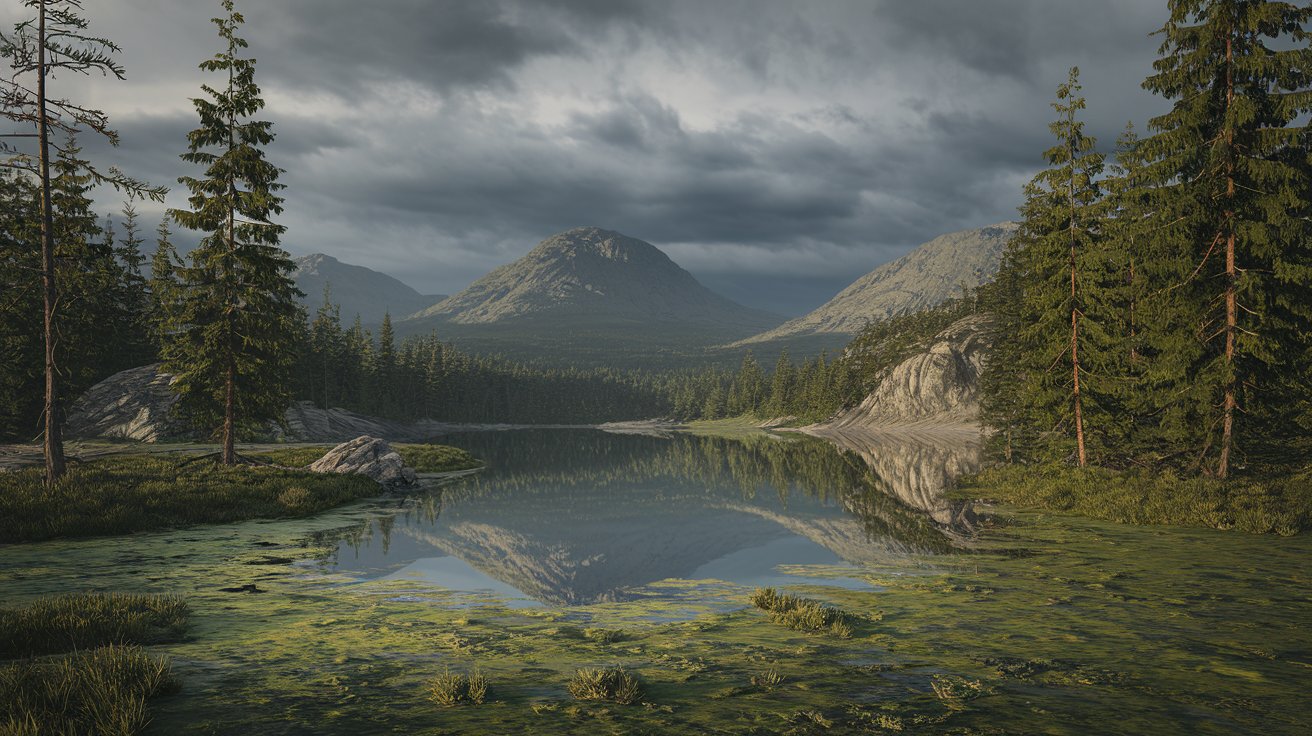
The Canadian Shield transforms dramatically through seasonal changes. In winter, the landscape is covered in deep snow with frozen lakes and rivers, creating a stark white wilderness broken only by dark coniferous forests. Temperatures well below freezing create ice formations and limited daylight produces long twilight periods. Spring brings rapid snow melt in April-May, swelling rivers and lakes to peak levels, with ice breaking up and migrating birds returning. Summer reveals countless sparkling lakes surrounded by dense green boreal forest, with 15 to 19 hours of daylight supporting vigorous plant growth. Fall arrives in September with spectacular foliage as deciduous trees display vibrant reds, oranges, and yellows for two to three weeks before winter returns, first snow typically falling in October or November.
| Climate Aspect | Characteristics | Impact |
|---|---|---|
| Temperature Range | Winter: -40°F to 5°F / Summer: 50°F to 77°F | Extreme seasonal variation shapes all ecosystems |
| Precipitation | 16-40 inches annually, 80-160 inches snow | Moderate moisture supports boreal forests |
| Growing Season | 60-100 frost-free days | Limits vegetation to hardy species |
| Climate Zone | Subarctic to humid continental | Creates diverse regional variations |
| Daylight Variation | 5-9 hours winter / 15-19 hours summer | Influences wildlife behavior and plant growth |
| Climate Change | Warming 2-3°C above historical average (2026) | Shifting ecosystems and increasing fire risk |