Silver mining involves a complex process that begins with geological exploration and culminates in refined silver ready for industrial and investment use. Most silver today comes as a byproduct of mining other metals like copper, lead, and zinc, with only about 30% extracted from primary silver deposits. Modern mining operations in the United States and worldwide use sophisticated technologies to locate, extract, and process silver ore through underground or open-pit methods.
What Is the Complete Process of Mining Silver
The silver mining process encompasses multiple stages that transform underground ore deposits into pure silver. Mining companies first conduct extensive geological surveys using satellite imaging, geochemical analysis, and drilling to identify viable silver deposits. Once a deposit is confirmed with sufficient grade and volume, engineers develop a comprehensive mining plan that considers environmental impact, extraction method, and economic feasibility. The entire process from discovery to first production typically spans 7 to 15 years, with initial exploration requiring 2 to 3 years before mining operations commence.
After exploration, the extraction phase begins with either underground or open-pit mining depending on deposit depth and geological characteristics. Underground operations access silver through vertical shafts and horizontal tunnels, while open-pit mines remove overburden to reach near-surface deposits. Modern mining operations in the United States employ computerized equipment, automated drilling systems, and real-time monitoring to maximize silver recovery rates while maintaining safety standards. The extracted ore then undergoes crushing, grinding, and concentration before refining processes separate pure silver from other materials.
Geological Exploration and Silver Deposit Discovery
Silver deposit identification relies on advanced geophysical exploration techniques that detect underground mineralization patterns. Geologists analyze rock samples, soil chemistry, and historical mining records to identify promising areas with silver-bearing formations. In 2026, companies increasingly use artificial intelligence algorithms to process geological data and predict high-probability silver zones with greater accuracy than traditional methods. The United States hosts significant silver deposits in Nevada, Alaska, and Idaho, where ongoing exploration continues to identify new reserves.
Modern Exploration Technologies in 2026
Contemporary silver exploration employs drone-mounted sensors, 3D seismic imaging, and electromagnetic surveys to map subsurface geology without extensive drilling. These technologies reduce exploration costs by approximately 40% compared to conventional methods while providing more detailed information about ore body characteristics. Ground-penetrating radar systems can detect silver-bearing veins at depths exceeding 1,000 feet, allowing companies to assess deposits before committing to expensive drilling programs. Satellite spectral analysis identifies surface minerals associated with silver deposits, directing exploration teams to the most promising locations.
Drilling and Resource Estimation
Once target areas are identified, diamond core drilling extracts cylindrical rock samples from various depths to determine silver grade, deposit size, and mineral composition. Mining companies typically complete 50 to 200 drill holes across a prospect area, with each hole providing crucial data about ore continuity and quality. Assay laboratories analyze core samples using fire assay or atomic absorption methods to determine precise silver content, usually measured in troy ounces per ton. Geological models integrate drilling data to calculate total silver resources, categorized as measured, indicated, or inferred based on confidence levels and sample density.
Underground Silver Mining Methods
Underground operations extract silver ore from depths ranging from 500 feet to over 7,000 feet below surface, accessing deposits too deep for open-pit mining. The room-and-pillar method creates a network of rooms where ore is removed while leaving pillars to support overlying rock, commonly used for flat or gently dipping silver deposits. Cut-and-fill mining removes ore in horizontal slices, backfilling mined areas with waste rock or tailings to provide support and working platforms for subsequent lifts. These underground mining techniques allow selective extraction of high-grade silver zones while minimizing waste rock removal.
Modern underground silver mines utilize remote-controlled equipment, automated haulage systems, and sophisticated ventilation networks to maintain productive and safe working environments. Electric and battery-powered vehicles reduce diesel emissions in confined spaces, improving air quality for workers while decreasing operational costs. Real-time monitoring systems track ore movement, equipment location, and environmental conditions throughout the mine, enabling optimization of mining efficiency and rapid response to changing conditions. Ventilation systems circulate fresh air through thousands of feet of tunnels, maintaining temperatures and removing dust and gases from blasting and equipment operation.
Shaft Development and Access
Creating access to underground silver deposits requires sinking vertical shafts or driving decline tunnels from surface to ore zones. Shaft sinking advances at rates of 15 to 30 feet per week, with larger operations completing shafts measuring 20 feet in diameter and extending over 5,000 feet deep. High-speed elevators transport miners, equipment, and ore through these shafts at speeds reaching 3,000 feet per minute in major mining operations. Decline tunnels provide alternative access using spiral ramps suitable for heavy mining equipment, eliminating elevator limitations and allowing direct truck haulage from underground to surface processing facilities.
Drilling and Blasting Operations
Extracting silver ore underground involves drilling blast holes in specific patterns, loading them with explosives, and detonating to fragment rock for removal. Modern jumbo drills equipped with multiple hydraulic booms simultaneously drill holes with precision positioning controlled by computerized systems, completing blast rounds in hours rather than days. Emulsion explosives matched to rock characteristics provide optimal fragmentation while minimizing overbreak and ground vibration. Blast designs consider ore recovery, fragmentation size for downstream processing, and rock stability to maintain safe working areas after each blast.
Open-Pit Silver Mining Operations
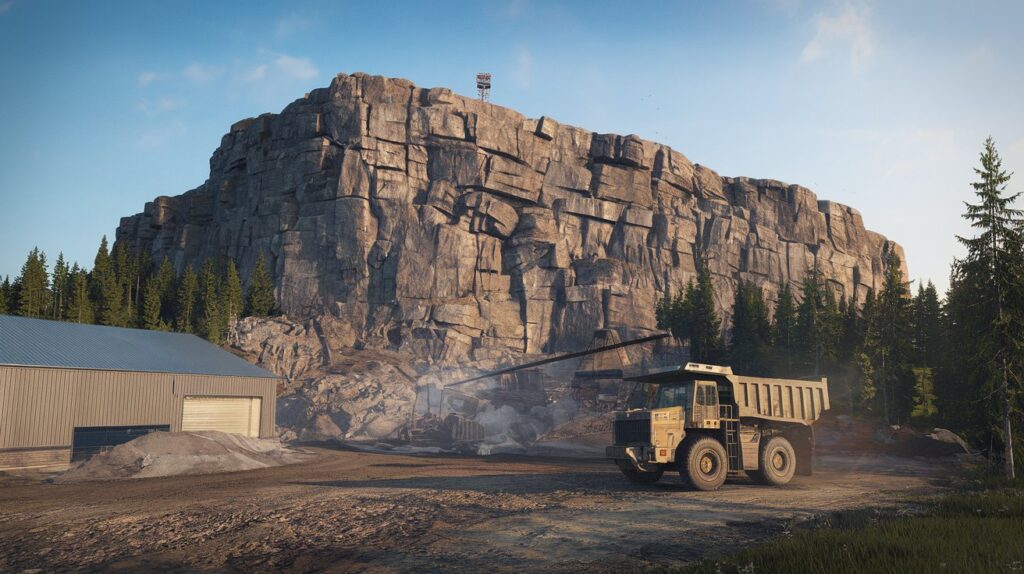
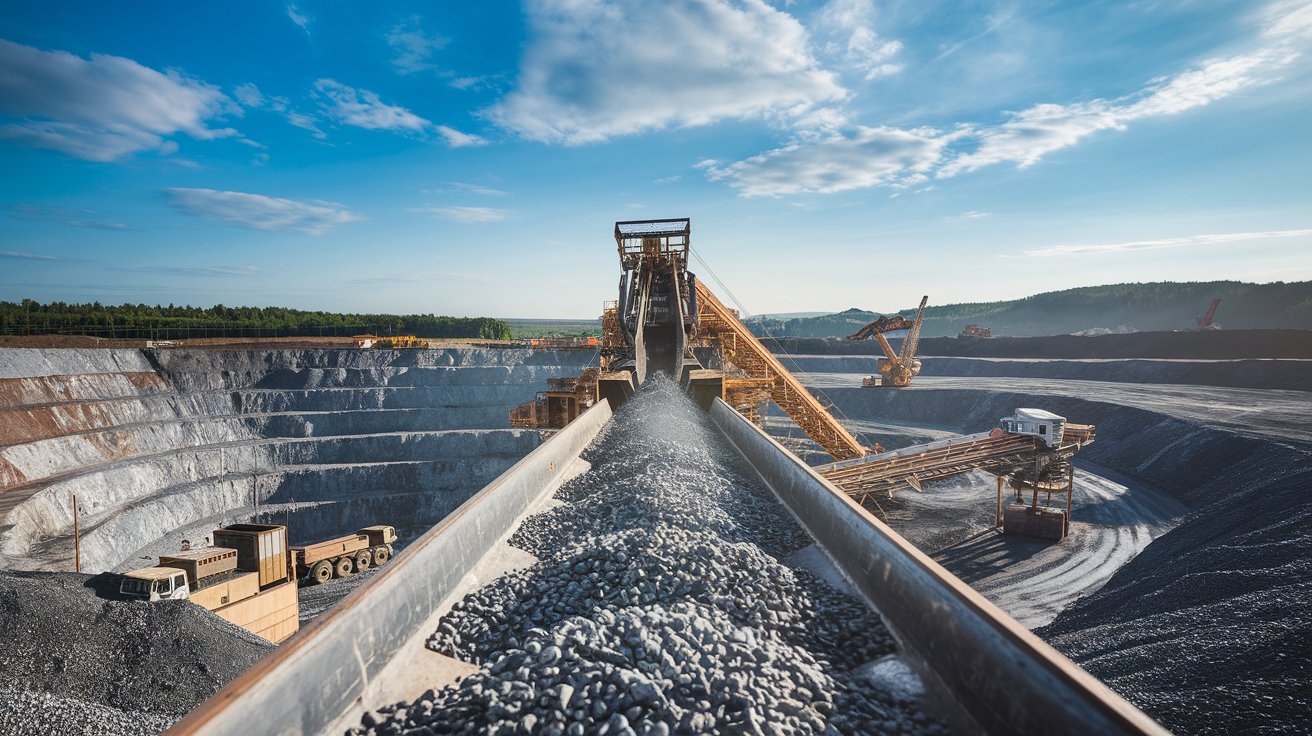
Open-pit mining removes silver ore from large surface excavations when deposits occur near surface and extend over substantial areas. This method involves stripping overburden to expose ore, then extracting material in benches typically 40 to 60 feet high. Large-scale operations move millions of tons of material annually using haul trucks with 400-ton capacities and excavators with buckets holding 100 cubic yards. Open-pit mines achieve lower operating costs per ton than underground methods when deposit geometry and location permit this approach.
Modern open-pit silver mining employs GPS-guided equipment, autonomous haul trucks, and real-time grade control systems to maximize ore recovery while minimizing processing of waste rock. Drill and blast operations create benches in the pit, with blast hole sampling providing immediate feedback on silver grades before material is loaded and hauled. Fleet management systems optimize truck routing, monitor equipment performance, and schedule maintenance to maximize mining productivity. Progressive reclamation reshapes mined areas concurrently with operations, reducing final closure costs and environmental impacts.
Is Silver Mined Like Gold
Silver and gold mining share similar exploration and extraction techniques, but significant differences exist in ore processing and primary versus byproduct production. Both metals occur in quartz veins, disseminated deposits, and association with volcanic rocks, leading to comparable geological targeting during exploration. Underground and open-pit methods apply to both metals depending on deposit characteristics, with equipment and mining practices essentially identical. However, approximately 70% of silver production comes as a byproduct from mining other metals, while gold more commonly represents the primary mining target.
The refining processes differ substantially between silver and gold due to their distinct chemical properties and common association with base metals. Silver often occurs with lead, zinc, and copper sulfides, requiring complex flotation and smelting processes to separate metals, whereas gold typically undergoes direct cyanide leaching or gravity concentration. Silver’s lower value per ounce compared to gold means mining operations require larger tonnages to achieve comparable revenues, influencing mine design and scale. Additionally, silver’s broader industrial applications create different market dynamics than gold’s investment-focused demand, affecting mining project economics and production decisions.
Ore Processing and Concentration Methods
Transforming raw silver ore into concentrated material suitable for refining begins with crushing and grinding to liberate silver minerals from surrounding rock. Primary crushers reduce ore to approximately 6-inch fragments, followed by secondary and tertiary crushing stages producing material under 1 inch. Ball mills or SAG mills grind ore to powder consistency, typically 80% passing through 200-mesh screens, releasing silver particles from the rock matrix for subsequent concentration processes.
Flotation represents the most common silver concentration method, exploiting differences in surface chemistry between silver-bearing minerals and waste rock. Chemical reagents create conditions where silver minerals attach to air bubbles and float to the surface while gangue minerals sink, producing a concentrate containing 15% to 40% combined metals. Gravity concentration using spirals, jigs, or centrifugal concentrators recovers native silver and silver-rich particles based on density differences. Some operations employ a combination of gravity and flotation to maximize overall silver recovery, particularly when dealing with complex ores containing multiple valuable metals.
Grinding and Liberation
Effective mineral liberation requires grinding ore fine enough to separate silver minerals from waste rock without excessive energy consumption or creating particles too fine for downstream processing. Modern operations use particle size analyzers and liberation models to optimize grinding circuits, balancing energy costs against metal recovery rates. Variable speed drives on mill motors allow adjustment of grinding intensity based on ore hardness and characteristics, improving energy efficiency by 10% to 20% compared to fixed-speed systems. Cyclone classifiers separate properly sized material from the grinding circuit while returning oversized particles for additional grinding, ensuring consistent feed to concentration processes.
Flotation Circuit Design
Flotation cells ranging from 100 to 1,000 cubic feet in volume provide controlled environments where silver minerals separate from waste through selective attachment to air bubbles. Reagent systems include collectors that make silver minerals hydrophobic, frothers that stabilize bubble formation, and modifiers that depress unwanted minerals from floating. Sequential flotation stages progressively upgrade concentrate quality, with rougher cells capturing bulk minerals, cleaner cells removing remaining gangue, and scavenger cells recovering residual silver values from rougher tailings. Modern flotation circuits incorporate automated reagent addition, pH control, and froth depth monitoring to maintain optimal conditions despite variations in ore characteristics.
How Is Silver Mined and Refined
The complete pathway from silver ore to refined metal integrates mining, concentration, smelting, and electrolytic refining into a coordinated process chain. After concentration, silver-bearing material undergoes pyrometallurgical processing in furnaces reaching temperatures of 2,000°F to 2,500°F, melting and chemically transforming minerals into crude metal. Smelting separates silver into a lead-silver alloy or copper-silver matte depending on ore composition, with slag containing waste rock constituents removed and disposed in engineered facilities. The resulting intermediate product contains 60% to 95% combined precious metals requiring further refining to achieve commercial purity standards.
Refining transforms crude silver alloys into 99.9% pure silver suitable for industrial use, coinage, and investment products. The Parkes process removes gold and other precious metals from lead-silver alloys by adding zinc, which preferentially combines with precious metals and floats to the surface as dross. Electrolytic refining dissolves impure silver anodes in nitric acid electrolyte, depositing pure silver on cathodes while impurities collect as slime or remain in solution. Modern silver refineries achieve 99.99% purity through careful process control, recovering additional gold, platinum, and palladium as valuable byproducts from the refining process.
Smelting Technologies
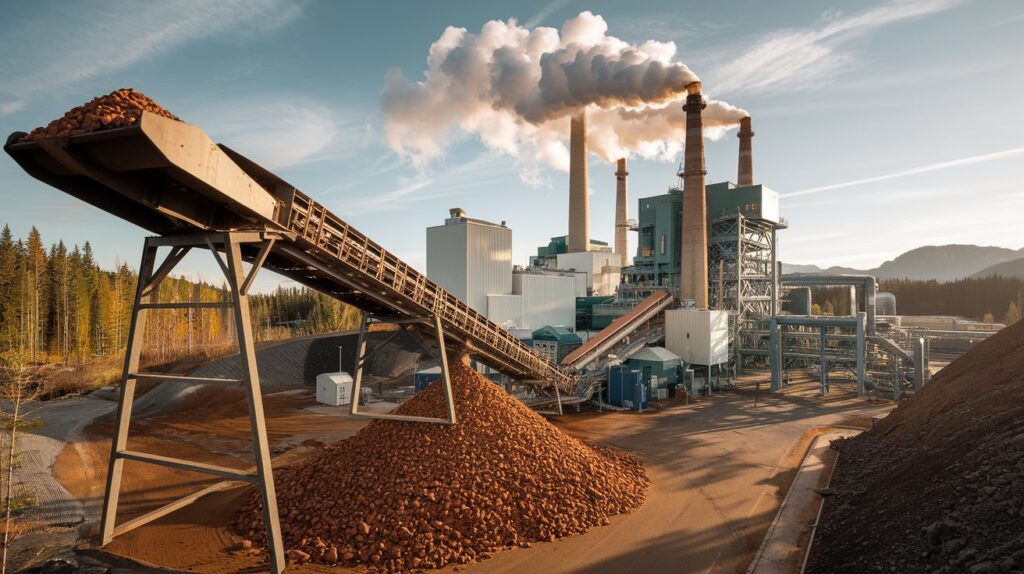
Modern silver smelting employs blast furnaces, reverberatory furnaces, or flash smelting depending on concentrate characteristics and facility design. Blast furnaces process lead-silver concentrates, using coke as fuel and producing lead bullion containing silver along with copper and other metals. Flash smelting injects dried concentrate and oxygen into furnaces, where sulfide minerals combust instantaneously, generating heat that melts material while converting sulfur to sulfur dioxide for acid production. These smelting technologies achieve energy efficiencies exceeding 85% through heat recovery systems that preheat combustion air and generate steam for power production.
Final Refining and Product Forms
Electrolytic silver refining produces cathode sheets or granules containing 99.9% to 99.99% pure silver, meeting specifications for industrial applications and precious metals markets. Refineries cast cathode silver into standard 1,000-ounce bars weighing approximately 68 pounds, stamped with refinery identification, purity, and serial numbers meeting London Bullion Market Association good delivery standards. Alternative product forms include silver shot, powder, and wire manufactured to customer specifications for specific industrial applications. Quality control laboratories verify purity using spectrographic analysis, ensuring products meet contractual specifications and regulatory requirements for precious metals commerce.
Is Silver More Difficult to Mine Than Gold
Silver mining presents comparable technical challenges to gold mining in terms of exploration, extraction, and initial processing, but typically requires handling larger ore volumes due to lower grades. Average silver ore grades range from 3 to 12 ounces per ton compared to gold grades of 0.05 to 0.15 ounces per ton, meaning silver mines process 25 to 75 times more tons per ounce of metal recovered. This volume differential impacts mining scale, requiring larger processing facilities, more extensive infrastructure, and greater capital investment for equivalent metal production. However, the actual mining techniques—drilling, blasting, hauling, and crushing—remain essentially identical between silver and gold operations.
The complexity of silver refining exceeds gold refining because silver commonly occurs with base metals requiring multi-stage separation processes. Gold’s chemical inertness allows direct dissolution in cyanide solutions and precipitation as pure metal, while silver-lead-zinc ores demand flotation, smelting, and electrolytic refining with careful control at each stage. Byproduct silver production from copper, lead, and zinc mines adds operational complexity as mining and processing decisions optimize recovery of multiple metals rather than focusing solely on silver. Environmental considerations for silver operations managing sulfide minerals and producing acid drainage create additional challenges compared to many gold deposits hosted in less reactive rock types.
How Many Years of Silver Are Left
Global silver reserves total approximately 560,000 metric tons based on 2026 assessments, sufficient for roughly 20 years at current production rates of 27,000 metric tons annually. However, this static calculation ignores new discoveries, technological advances enabling exploitation of lower-grade deposits, and economic factors influencing what constitutes a viable reserve. Historical patterns demonstrate that silver reserves have consistently increased over decades despite ongoing production, as exploration identifies new deposits and higher silver prices make previously uneconomic resources profitable to extract. The United States holds reserves of approximately 25,000 metric tons, primarily in Nevada and Alaska, representing about 4.5% of global totals.
Resource estimates including identified silver deposits not yet classified as economic reserves exceed 2 million metric tons, providing a much larger potential supply base. Technological improvements in exploration, mining efficiency, and processing methods continuously expand the portion of this resource base that can be economically recovered. Additionally, silver recycling contributes approximately 15% to 20% of annual supply, recovering metal from industrial applications, jewelry, and photography. The combination of substantial resources, ongoing exploration success, and recycling suggests silver availability will continue meeting demand for many decades, though periodic supply constraints may occur as lower-grade deposits require processing.
How Was Silver Mined in Ancient Times
Ancient civilizations extracted silver from surface deposits and shallow underground workings using fire-setting, hammer stones, and bronze or iron tools. The fire-setting technique involved building fires against rock faces, then rapidly cooling the heated rock with water, causing thermal fracturing that allowed removal of loosened material. Romans, Greeks, and other ancient peoples recognized silver-bearing lead ores called galena, developing cupellation processes that separated silver from lead by oxidizing lead at high temperatures while silver remained in metallic form. Archaeological evidence from Laurion, Greece shows extensive ancient workings with tunnels extending hundreds of feet underground, ventilated through multiple shafts connecting to the surface.
Spanish conquistadors discovered rich silver deposits in Mexico and South America during the 16th century, leading to establishment of major mining centers at Potosí, Zacatecas, and Guanajuato. Colonial mining employed indigenous labor in dangerous conditions, accessing ore through vertical shafts and removing material in leather bags hoisted manually or using animal-powered windlasses. The patio process introduced in 1557 revolutionized silver extraction by mixing crushed ore with salt, copper sulfate, and mercury, then allowing the amalgamation reaction to proceed over weeks in open patios. Workers and mules then separated silver-mercury amalgam from waste, heated the amalgam to vaporize mercury, and recovered metallic silver despite significant mercury losses and worker exposure to toxic vapors.
Major Silver Mining Countries and Companies
Mexico dominates global silver production with approximately 6,300 metric tons annually in 2026, representing 23% of worldwide output. Chinese mines produce roughly 3,800 metric tons, followed by Peru at 3,200 metric tons, making these three countries responsible for nearly half of global supply. The United States ranks fifth globally with annual production near 1,100 metric tons, primarily from mines in Nevada, Alaska, and Idaho. Australia, Chile, Poland, and Russia round out the top producing nations, each contributing between 1,000 and 1,500 metric tons to global silver supply.
Leading silver mining companies include Fresnillo plc operating multiple mines in Mexico, Pan American Silver with assets across North and South America, and First Majestic Silver Corp focused on Mexican deposits. Major diversified miners like Glencore, BHP, and Southern Copper produce substantial silver as a byproduct from copper, lead, and zinc operations. In the United States, Hecla Mining Company operates the Greens Creek mine in Alaska and Lucky Friday mine in Idaho, together producing over 10 million ounces annually. Coeur Mining maintains the Rochester and Kensington operations, while exploration companies continuously search for new deposits to replace depleting reserves and expand future production capacity.
Environmental Considerations in Modern Silver Mining
Contemporary silver mining operations implement comprehensive environmental management systems addressing water quality, habitat protection, and long-term site reclamation. Tailings storage facilities use engineered designs with multiple containment barriers, monitoring systems, and water treatment plants to prevent release of process water containing dissolved metals and processing chemicals. Modern operations recycle 70% to 90% of process water, reducing fresh water consumption and minimizing discharge volumes. Acid rock drainage prevention involves identifying reactive sulfide minerals during exploration, isolating potentially acid-generating material in lined facilities, and implementing long-term water treatment where necessary to protect receiving waters.
Reclamation planning begins during mine design, with concurrent restoration of disturbed areas reducing final closure costs and environmental impacts. Progressive reclamation reshapes waste rock dumps and tailings facilities, applies soil covers, and establishes vegetation on stabilized surfaces while mining continues in active areas. Wildlife habitat protection includes seasonal restrictions on activities during critical periods, creation of replacement habitat, and maintenance of migration corridors around mine infrastructure. Air quality management controls dust through water sprays, chemical suppressants, and enclosure of material transfer points, while limiting emissions from mobile equipment through fleet modernization and alternative fuel adoption. Financial assurance mechanisms guarantee funding for final closure and long-term monitoring regardless of ownership changes or economic conditions.
Related video about how is silver mined
This video complements the article information with a practical visual demonstration.
Questions & Answers
What is the process of mining silver?
Silver mining involves exploration to locate deposits, extraction through underground or open-pit methods, crushing and grinding ore to liberate silver minerals, concentration using flotation or gravity separation, smelting to produce crude silver alloys, and electrolytic refining to achieve 99.9% purity. Most silver comes as a byproduct from mining copper, lead, and zinc, with only 30% from primary silver operations. The complete process from discovery to refined silver typically requires 7 to 15 years including exploration, permitting, development, and construction phases.
Is silver more difficult to mine than gold?
Silver mining involves similar techniques to gold extraction but requires processing larger ore volumes due to higher grades, typically 3 to 12 ounces per ton compared to gold’s 0.05 to 0.15 ounces per ton. The actual mining difficulty is comparable, but silver refining complexity exceeds gold because silver commonly occurs with base metals requiring multi-stage separation. Approximately 70% of silver production comes as a byproduct from other metal mining, adding operational complexity compared to gold operations focused on a single metal recovery.
Can we run out of silver?
Global silver reserves currently total approximately 560,000 metric tons, sufficient for about 20 years at current production rates, but this static calculation ignores ongoing exploration and technological advances. Historical patterns show reserves consistently increasing despite production as new deposits are discovered and higher prices make previously uneconomic resources viable. Identified silver resources exceed 2 million metric tons, and recycling contributes 15% to 20% of annual supply. The combination of substantial resources, exploration success, and recycling suggests silver will remain available for many decades, though supply constraints may periodically occur.
How many years of silver are left?
Current silver reserves represent approximately 20 years of supply at 2026 production rates of 27,000 metric tons annually. However, this estimate understates actual availability because it excludes identified resources not yet economic to mine, future discoveries from ongoing exploration, and technological improvements making lower-grade deposits viable. Silver resources exceeding 2 million metric tons provide a much larger potential supply base, and historical reserve replacement has consistently exceeded production over past decades. Recycling and new mining technologies will likely extend silver availability well beyond simple reserve calculations suggest.
What countries produce the most silver?
Mexico leads global silver production with approximately 6,300 metric tons annually in 2026, representing 23% of worldwide output. China produces roughly 3,800 metric tons, followed by Peru at 3,200 metric tons. The United States ranks fifth with production near 1,100 metric tons, primarily from Nevada and Alaska operations. Australia, Chile, Poland, and Russia each contribute 1,000 to 1,500 metric tons. These eight countries collectively account for approximately 75% of global silver mine production, with hundreds of smaller operations worldwide producing the remainder.
How is silver extracted from ore?
Silver extraction begins with crushing and grinding ore to powder consistency, then using flotation processes where chemical reagents cause silver minerals to attach to air bubbles and float while waste sinks. The resulting concentrate undergoes smelting at 2,000°F to 2,500°F, producing crude silver-lead or silver-copper alloys. Final refining uses electrolytic processes where impure silver anodes dissolve in acid electrolyte and pure silver deposits on cathodes, achieving 99.9% to 99.99% purity. When silver occurs as a byproduct, it’s recovered during copper, lead, or zinc refining through similar electrolytic separation techniques.
| Mining Stage | Key Methods | Typical Timeline |
|---|---|---|
| Exploration | Geophysical surveys, drilling, resource estimation | 2-3 years |
| Extraction | Underground or open-pit mining | 10-30 years operational life |
| Processing | Crushing, grinding, flotation concentration | Continuous during operations |
| Refining | Smelting and electrolytic purification | 2-4 weeks per batch |
| Global Production | 27,000 metric tons annually (2026) | Mexico leads at 6,300 tons/year |