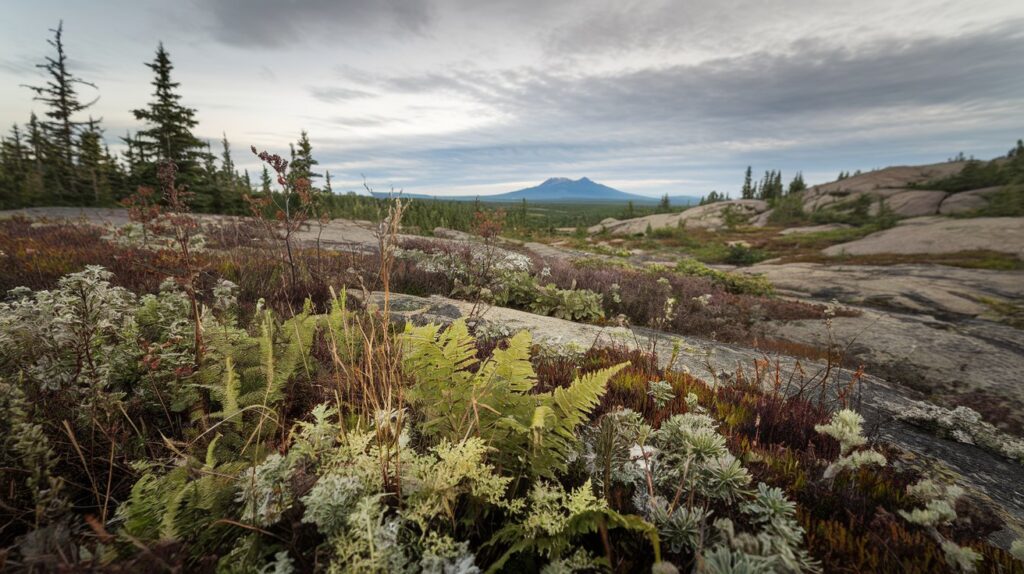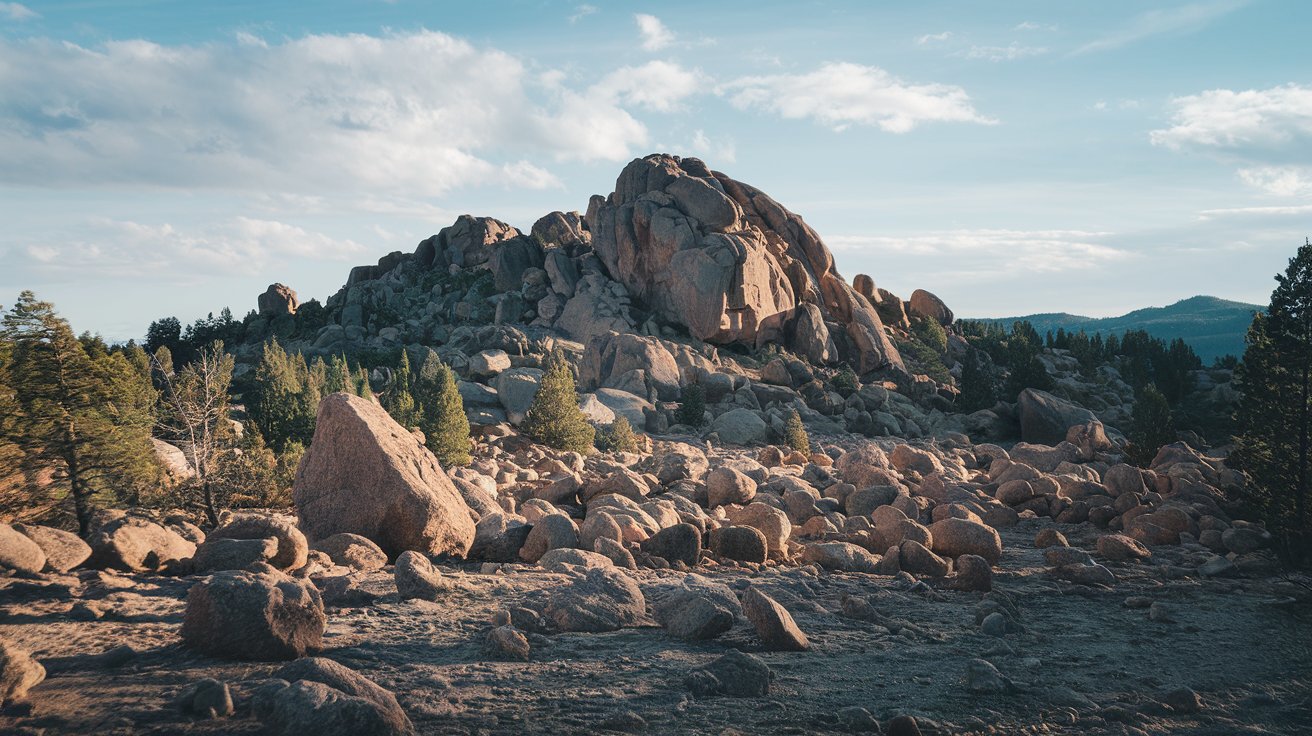
The Canadian Shield natural resources represent one of North America’s most significant geological treasures, spanning nearly 5 million square kilometers across Canada and extending into northern United States regions. This vast Precambrian rock formation contains extraordinary deposits of minerals, metals, forests, freshwater, and wildlife that fuel economies on both sides of the border. Understanding these resources is essential for anyone interested in North American geology, mining industries, or environmental conservation in 2026.
What Are the Three Main Natural Resources in the Canadian Shield
The Canadian Shield contains three primary natural resource categories: metallic minerals, forest resources, and freshwater systems. These resources have shaped economic development across Ontario, Quebec, Manitoba, Saskatchewan, and portions of Minnesota and Michigan in the United States. The shield’s ancient bedrock, formed over 2.5 billion years ago, created ideal conditions for mineral concentration and resource formation.
Metallic minerals dominate the shield’s economic significance, with gold, silver, copper, nickel, iron ore, and zinc representing the most valuable extractions. Canada produces approximately 170 metric tons of gold annually from shield mines, with significant operations near Timmins, Ontario, and Val-d’Or, Quebec. The Sudbury Basin alone contains the world’s second-largest nickel-copper-platinum deposit, producing roughly 20% of global nickel supply in 2026.
Forest resources cover approximately 1.8 million square kilometers of the shield, representing boreal forest ecosystems that support pulp, paper, and lumber industries. These forests contain primarily coniferous species including black spruce, jack pine, and balsam fir, which adapt to the shield’s thin, acidic soils. Annual timber harvests from shield regions contribute over $23 billion to Canadian and United States forest product industries.
Mineral Resources Extracted from the Canadian Shield
The mineral wealth extracted from the Canadian Shield exceeds $60 billion annually in total production value across multiple mining operations. This ancient geological formation contains some of Earth’s oldest rocks, where tectonic activity, volcanic processes, and metamorphism concentrated valuable mineral deposits over billions of years.
Gold and Precious Metals
Gold mining operations in the Canadian Shield produce approximately 170 metric tons annually, making Canada the world’s fourth-largest gold producer in 2026. Major gold-producing regions include the Abitibi Greenstone Belt spanning Ontario and Quebec, where mines like Canadian Malartic and Detour Lake operate continuously. Gold occurs in both lode deposits within ancient volcanic rocks and placer deposits in shield rivers and streams.
Silver extraction accompanies gold and base metal mining, with shield operations producing roughly 700 metric tons of silver annually. The precious metals industry employs over 42,000 workers across exploration, mining, processing, and refining operations in shield regions. Modern extraction techniques combine underground mining, open-pit operations, and advanced processing technologies to maximize recovery rates while minimizing environmental impact.
Base Metals and Industrial Minerals
Nickel, copper, and zinc deposits form the foundation of shield base metal production, with the Sudbury Basin representing the most significant concentration. This massive impact crater structure contains cumulative nickel reserves exceeding 10 million metric tons, alongside substantial copper and platinum group elements. Annual production from Sudbury operations reaches approximately 130,000 metric tons of nickel and 85,000 metric tons of copper in 2026.
Iron ore extraction occurs primarily in the Labrador Trough, where banded iron formations contain high-grade magnetite and hematite deposits. Canadian shield iron ore production exceeds 45 million metric tons annually, supplying steel industries throughout North America. Additional industrial minerals including uranium, diamonds, cobalt, and rare earth elements contribute diversification to shield mining portfolios.
Forest and Timber Resources
The boreal forest ecosystem covering the Canadian Shield represents the world’s largest intact forest system, spanning approximately 1.8 million square kilometers. These forests provide renewable timber resources, carbon sequestration, wildlife habitat, and traditional livelihoods for Indigenous communities. The forest products industry generates over $23 billion annually through sustainable harvesting practices designed to maintain ecological integrity.
Shield forests contain predominantly coniferous tree species adapted to short growing seasons, acidic soils, and cold temperatures. Black spruce dominates wet lowland areas, while jack pine thrives on dry, sandy sites. Balsam fir, white spruce, and eastern white cedar supplement commercial timber supplies. These species provide raw materials for pulp and paper production, dimensional lumber, engineered wood products, and biomass energy generation.
Sustainable forestry practices in 2026 emphasize ecosystem-based management, selective harvesting, and regeneration planning. Provincial and territorial regulations require reforestation following timber harvest, with survival rates exceeding 85% for planted seedlings. Advanced inventory systems using satellite imagery, LiDAR technology, and artificial intelligence optimize harvest planning while protecting sensitive habitats and maintaining biodiversity.
Freshwater Resources and Hydroelectric Power
The Canadian Shield contains approximately 60% of Canada’s freshwater, including countless lakes, rivers, and wetland systems formed by glacial activity during the last ice age. These water resources support hydroelectric power generation, municipal water supplies, industrial processes, recreation, and aquatic ecosystems. Shield watersheds drain into three major ocean basins: the Atlantic, Arctic, and Hudson Bay.
Major water bodies include the Great Lakes, Lake Winnipeg, Great Slave Lake, and Great Bear Lake, alongside thousands of smaller lakes exceeding one hectare in surface area. Shield rivers including the Ottawa, Albany, Churchill, and Nelson systems provide transportation corridors, fisheries habitat, and hydroelectric potential. Combined surface water volume in shield regions exceeds 500,000 cubic kilometers.
Hydroelectric power generation harnesses shield topography and abundant precipitation to produce clean, renewable electricity. Major facilities including Churchill Falls, La Grande Complex, and Manicouagan generate over 75,000 megawatts of installed capacity. These operations supply electricity to Ontario, Quebec, Manitoba, and northeastern United States markets while avoiding approximately 120 million metric tons of carbon dioxide emissions annually compared to fossil fuel alternatives.
Wildlife and Biological Resources
The Canadian Shield supports diverse wildlife populations adapted to boreal forest and tundra ecosystems, including mammals, birds, fish, and invertebrate species. These biological resources provide subsistence and commercial hunting opportunities, fur harvesting, ecotourism experiences, and essential ecosystem services. Wildlife populations maintain ecological balance through predator-prey relationships and nutrient cycling processes.
Mammals and Terrestrial Wildlife
Large mammal species inhabiting shield regions include moose, caribou, black bears, wolves, and lynx populations that migrate seasonally across vast territories. The shield supports an estimated 500,000 moose across its range, providing hunting opportunities for Indigenous communities and licensed hunters. Caribou populations, particularly woodland caribou subspecies, rely on shield habitats for calving, migration, and winter survival.
Fur-bearing animals including beaver, marten, fisher, and muskrat support traditional trapping economies generating approximately $30 million annually in raw pelt values. Wildlife management programs balance harvest sustainability with population conservation through quota systems, seasonal restrictions, and habitat protection measures implemented by provincial, territorial, and federal agencies.
Fisheries and Aquatic Resources
Shield lakes and rivers support commercial and recreational fisheries targeting species including walleye, northern pike, lake trout, brook trout, and whitefish. Commercial fisheries on large shield lakes generate approximately $180 million annually, while recreational angling contributes an additional $2.5 billion through tourism expenditures. These cold-water fisheries depend on excellent water quality and minimal human disturbance.
Indigenous communities maintain treaty rights for traditional fisheries that provide food security and cultural continuity. Modern fish population monitoring uses acoustic telemetry, environmental DNA analysis, and mark-recapture studies to assess stock health and inform sustainable harvest limits. Climate change impacts including warming water temperatures and altered ice cover patterns require adaptive management strategies to maintain fishery productivity.
Jobs and Economic Impact of Shield Resources
The Canadian Shield natural resources sector employs over 320,000 workers across mining, forestry, energy, and associated service industries throughout 2026. These positions offer competitive wages averaging $85,000 annually, significantly exceeding national averages for comparable education levels. Resource industries create additional indirect employment in manufacturing, transportation, professional services, and retail sectors.
Mining operations alone provide approximately 145,000 direct jobs in shield regions, with underground miners, heavy equipment operators, geologists, and processing technicians representing core occupations. Forest industry employment reaches 98,000 positions including loggers, mill workers, foresters, and equipment operators. Hydroelectric facilities employ 12,000 specialized technicians and engineers maintaining generation and transmission infrastructure.
Economic output from shield resource extraction exceeds $95 billion annually, contributing substantially to provincial, territorial, and federal tax revenues. Mining revenues alone generate approximately $8 billion in taxes and royalty payments supporting public services, infrastructure development, and social programs. Many shield communities depend entirely on resource industries for economic viability, creating concentrated employment patterns vulnerable to commodity price fluctuations.
Climate and Environmental Conditions Affecting Resources
The Canadian Shield climate features long, cold winters and short, cool summers that significantly influence resource accessibility and extraction methods. January temperatures average -20°C to -30°C across most shield regions, while July temperatures reach 15°C to 20°C. Annual precipitation ranges from 400 to 1000 millimeters, with northern areas receiving less moisture than southern shield regions.
These climate conditions create permafrost in northern shield areas, complicating infrastructure development and mining operations. Seasonal freezing and thawing cycles affect road access, with winter ice roads providing temporary transportation corridors to remote mine sites. Growing seasons lasting only 60 to 120 frost-free days limit agricultural potential but support adapted boreal forest species.
Climate change impacts increasingly affect shield resources and ecosystems in 2026. Average temperatures have risen 1.5°C to 2.0°C since pre-industrial times, causing earlier spring ice breakup, extended fire seasons, permafrost thaw, and shifting wildlife ranges. These changes affect forest productivity, water availability, wildlife habitat, and resource extraction logistics, requiring adaptive management strategies across all resource sectors.
Location and Geographic Extent of the Shield
The Canadian Shield extends across 4.8 million square kilometers, encompassing portions of Ontario, Quebec, Manitoba, Saskatchewan, Alberta, Northwest Territories, Nunavut, Newfoundland and Labrador, and small areas of northeastern Minnesota, northern Wisconsin, and northern Michigan in the United States. This vast geological province represents approximately 50% of Canada’s total land area.
Major shield subdivisions include the Superior Province, Churchill Province, Slave Province, and Nain Province, each representing distinct geological histories and resource endowments. The Superior Province, largest of these subdivisions, contains the richest mineral deposits including gold belts, base metal camps, and iron formations. Geographic boundaries extend from the Arctic Ocean southward to the Great Lakes and St. Lawrence River.
Shield topography features low relief with elevations generally below 600 meters, interrupted by occasional upland areas reaching 1,000 meters in Labrador and Baffin Island. Glacial erosion during multiple ice ages created the current landscape characterized by rounded bedrock knobs, thin soil cover, numerous lakes, and dendritic drainage patterns. These features influence resource accessibility and extraction costs.
Key Landmarks and Notable Features
Significant landmarks within the Canadian Shield include geological, cultural, and industrial features that illustrate the region’s natural and human history. The Sudbury Basin represents a 60-kilometer-wide impact crater formed 1.85 billion years ago, creating one of Earth’s richest mineral deposits through shock metamorphism and subsequent geological processes.
The Hudson Bay Lowlands, though technically separate from the shield, border its northern edge and contain extensive peatlands storing massive carbon reserves. Killarney Provincial Park showcases the shield’s distinctive white quartzite ridges, pink granite formations, and clear blue lakes that inspired Canada’s Group of Seven artists. Lake Superior’s north shore displays dramatic shield coastline with ancient volcanic rocks and rugged cliffs.
Industrial landmarks include historic mining communities like Cobalt, Ontario, where silver rushes beginning in 1903 launched northern Ontario’s mining industry. The Trans-Canada Highway crosses the shield for over 2,000 kilometers, providing access to remote communities and resource sites. Historic fur trade posts including Fort William and York Factory mark locations where shield resources first entered global commerce networks.
Indigenous Rights and Traditional Resource Use
Indigenous peoples have utilized Canadian Shield natural resources for over 10,000 years following glacial retreat, developing sophisticated knowledge systems regarding wildlife, plants, waterways, and seasonal cycles. Contemporary Indigenous communities maintain treaty rights, traditional territories, and cultural connections to shield lands and waters. These rights increasingly influence resource development decisions through consultation requirements, impact benefit agreements, and co-management arrangements.
Traditional resource use includes hunting, fishing, trapping, gathering, and ceremonial practices that continue supporting cultural identity and food security. Indigenous ecological knowledge contributes valuable insights for wildlife management, forest stewardship, and environmental monitoring programs. Many communities operate businesses in mining, forestry, tourism, and renewable energy sectors, creating employment while maintaining cultural practices.
Reconciliation efforts in 2026 emphasize meaningful Indigenous participation in resource decisions affecting traditional territories. Free, prior, and informed consent principles guide major project approvals, while revenue sharing agreements distribute economic benefits to affected communities. Indigenous-led conservation initiatives protect culturally significant areas, sacred sites, and critical wildlife habitat across millions of hectares of shield territory.
Future Prospects and Emerging Resources
Emerging resource opportunities in shield regions include critical minerals for clean energy technologies, rare earth elements for electronics manufacturing, and lithium deposits for battery production. The shield’s geological potential remains partially unexplored, with remote northern areas containing undiscovered mineral deposits accessible through improved transportation infrastructure and exploration technologies.
Battery metal exploration focuses on lithium, cobalt, nickel, and graphite deposits essential for electric vehicle production and energy storage systems. Several advanced-stage lithium projects in Ontario and Quebec could produce over 100,000 metric tons of lithium carbonate equivalent annually by 2028. These developments position Canada as a secure, environmentally responsible supplier for North American battery supply chains.
Renewable energy development expands beyond hydroelectric power to include wind farms, solar installations, and biomass energy systems utilizing forest residues. Remote shield communities increasingly adopt hybrid renewable systems reducing diesel fuel dependence and greenhouse gas emissions. Carbon sequestration in shield forests and peatlands gains recognition as a valuable ecosystem service, potentially generating revenue through carbon credit markets in voluntary and compliance systems.
Related video about canadian shield natural resources
This video complements the article information with a practical visual demonstration.
Everything you need to know about canadian shield natural resources
What are three natural resources in the Canadian Shield?
The three primary natural resources in the Canadian Shield are metallic minerals (gold, silver, copper, nickel, iron ore), forest resources (timber from boreal forests covering 1.8 million square kilometers), and freshwater resources (60% of Canada’s freshwater including thousands of lakes and rivers). These resources generate over $95 billion annually in economic output across mining, forestry, and hydroelectric power sectors. The shield’s ancient geological formation created ideal conditions for mineral concentration, while glacial activity established extensive water systems supporting multiple industries.
What minerals are extracted from the Canadian Shield?
Major minerals extracted from the Canadian Shield include gold (170 metric tons annually), nickel (130,000 metric tons from Sudbury operations), copper, zinc, iron ore (45 million metric tons), silver, uranium, diamonds, and platinum group elements. The shield also produces industrial minerals like cobalt and rare earth elements increasingly important for technology manufacturing. Mining operations generate approximately $60 billion in annual production value, employing over 145,000 workers across exploration, extraction, and processing operations throughout Ontario, Quebec, Manitoba, and Saskatchewan.
How does climate affect Canadian Shield resources?
The Canadian Shield climate features long winters (-20°C to -30°C) and short summers (15°C to 20°C) that significantly impact resource extraction through seasonal access limitations, permafrost complications, and infrastructure challenges. Winter ice roads provide temporary access to remote mining sites, while frozen ground facilitates heavy equipment movement. Climate change impacts in 2026 include 1.5°C to 2.0°C temperature increases causing earlier ice breakup, extended wildfire seasons, permafrost thaw, and shifting wildlife ranges that affect forest productivity, water availability, and extraction logistics requiring adaptive management strategies.
What jobs are available in Canadian Shield natural resources?
The Canadian Shield resource sector employs over 320,000 workers in 2026, offering positions including underground miners, heavy equipment operators, geologists, foresters, loggers, mill workers, hydroelectric technicians, and processing specialists. Average wages reach $85,000 annually, exceeding national averages for comparable education levels. Mining provides 145,000 direct jobs, forestry employs 98,000 workers, and hydroelectric facilities require 12,000 specialized technicians. Additional opportunities exist in exploration, environmental monitoring, Indigenous relations, and professional services supporting resource development across shield regions.
Where is the Canadian Shield located in the United States?
The Canadian Shield extends into the United States through northeastern Minnesota, northern Wisconsin, and northern Michigan, covering portions of the Lake Superior basin region. These areas share geological characteristics with Canadian shield regions including ancient Precambrian bedrock, thin soils, numerous lakes, and similar mineral deposits. The Minnesota Iron Range historically produced significant iron ore from shield formations, while Michigan’s Upper Peninsula contains copper deposits and forest resources. Though smaller than Canadian portions, United States shield areas contribute to regional economies through mining, forestry, and tourism industries.
What wildlife resources exist in the Canadian Shield?
Canadian Shield wildlife resources include large mammals (500,000 moose, caribou, black bears, wolves), fur-bearing animals (beaver, marten, fisher generating $30 million in annual pelt values), and fish species (walleye, northern pike, lake trout supporting $180 million commercial fisheries plus $2.5 billion recreational angling). These populations provide subsistence and commercial hunting opportunities, ecotourism experiences, and essential ecosystem services. Wildlife management programs balance sustainable harvest with conservation through quota systems, seasonal restrictions, and habitat protection measures maintaining healthy populations across shield ecosystems.
| Resource Category | Key Products | Economic Value |
|---|---|---|
| Metallic Minerals | Gold, nickel, copper, iron ore, zinc, silver | $60 billion annually, 145,000 jobs |
| Forest Resources | Timber, pulp, paper, engineered wood products | $23 billion annually, 98,000 jobs |
| Freshwater Systems | Hydroelectric power, municipal water, fisheries | 75,000 MW capacity, 12,000 jobs |
| Wildlife Resources | Hunting, fishing, fur harvesting, ecotourism | $2.7 billion tourism/recreation value |
| Emerging Resources | Lithium, cobalt, rare earths, renewable energy | Growing sector with significant 2026-2030 potential |