The Canadian Shield climate is characterized by harsh continental conditions with long, bitterly cold winters and short, mild summers. This vast geological formation, covering approximately 8 million square kilometers across Canada, experiences extreme temperature variations ranging from -40°C (-40°F) in winter to 25°C (77°F) in summer. Understanding this climate is essential for anyone planning to visit, work, or study this remarkable region that dominates nearly half of Canada’s landmass.
What Type of Climate Dominates the Canadian Shield
The Canadian Shield climate is classified as subarctic and humid continental, depending on the specific location within this massive region. The northern portions experience a subarctic climate with extremely cold winters and cool summers, while southern areas demonstrate a humid continental climate with more moderate conditions. This climate type results from the region’s inland position, high latitude, and lack of moderating oceanic influences, creating dramatic seasonal temperature swings that define life in the Shield.
The continental climate pattern means temperature extremes are common throughout the year. Winter temperatures regularly plunge below -30°C (-22°F) in many areas, with some northern locations experiencing temperatures as low as -40°C (-40°F) or colder. Summer brings relief with average temperatures between 15°C and 25°C (59°F to 77°F), though the warm season is remarkably brief, typically lasting only June through August. The 2026 climate data shows these patterns remain consistent with historical trends, though warming trends have slightly moderated extreme cold events in some southern Shield regions.
Temperature Patterns Throughout the Year
Understanding the temperature variations in the Canadian Shield is crucial for anyone planning activities or research in this region. The annual temperature range represents one of the most extreme climatic variations found anywhere on Earth, with differences exceeding 60°C (108°F) between winter and summer extremes in some locations.
Winter Temperature Characteristics
Winter in the Canadian Shield dominates the calendar, typically lasting from November through March or even April in northern areas. January stands as the coldest month, with average temperatures ranging from -15°C to -30°C (5°F to -22°F) across most of the region. The southern Shield areas near the Great Lakes experience slightly milder conditions at -10°C to -20°C (14°F to -4°F), while northern portions regularly see averages below -30°C (-22°F). Daily minimum temperatures during cold snaps can reach -45°C (-49°F) or lower, particularly in inland areas far from any water body influence. These extreme cold temperatures result from clear skies, long nights, and Arctic air masses that settle over the region for extended periods.
Summer Temperature Conditions
Summer arrives quickly in the Canadian Shield, with temperatures rising rapidly from May into June. July represents the warmest month, with average daily maximum temperatures ranging from 20°C to 25°C (68°F to 77°F) in most areas. Southern Shield locations may occasionally experience temperatures reaching 30°C (86°F) or higher during heat waves, though such events remain relatively uncommon. Nighttime temperatures during summer typically drop to 10°C to 15°C (50°F to 59°F), creating pleasant conditions and limiting extreme heat stress. The brief summer season means the region accumulates fewer growing degree days compared to areas further south, significantly impacting vegetation types and agricultural potential throughout the Shield.
Precipitation and Moisture Patterns
The Canadian Shield receives moderate precipitation throughout the year, though amounts vary considerably across this vast region. Annual precipitation totals typically range from 400mm to 1000mm (16 to 40 inches), with southern areas receiving more moisture than northern locations. The precipitation distribution shows a summer maximum pattern in most areas, with June, July, and August receiving the greatest amounts due to increased convective activity and moisture availability during the warm season.
Winter precipitation falls primarily as snow, creating a persistent snowpack that lasts from November through April in most locations. Total seasonal snowfall commonly ranges from 200cm to 400cm (80 to 160 inches) across the Shield, with some areas receiving even greater amounts. This substantial snow accumulation plays a crucial role in the region’s hydrology, as spring snowmelt feeds countless lakes, rivers, and wetlands that characterize the Canadian Shield landscape. Summer precipitation arrives mostly as rain from thunderstorms and frontal systems, contributing to the lush vegetation growth during the brief growing season.
Seasonal Climate Variations in the Canadian Shield
The four distinct seasons in the Canadian Shield each bring unique weather characteristics that dramatically affect the landscape and human activities. Understanding these seasonal patterns helps visitors and residents prepare for the dramatic changes that occur throughout the year.
Spring Transition Period
Spring in the Canadian Shield is brief and unpredictable, typically occurring from April through May. This season features rapid temperature increases, melting snowpack, and highly variable weather conditions. Daily temperatures during spring can swing dramatically, with morning lows near freezing and afternoon highs reaching 15°C (59°F) or higher. The spring breakup period sees rivers and lakes losing their ice cover, creating spectacular displays of ice floes and dramatically increased water flow. Precipitation during spring arrives as both rain and snow, with the snow-rain transition occurring progressively later at higher latitudes and elevations throughout the Shield region.
Fall Weather Patterns
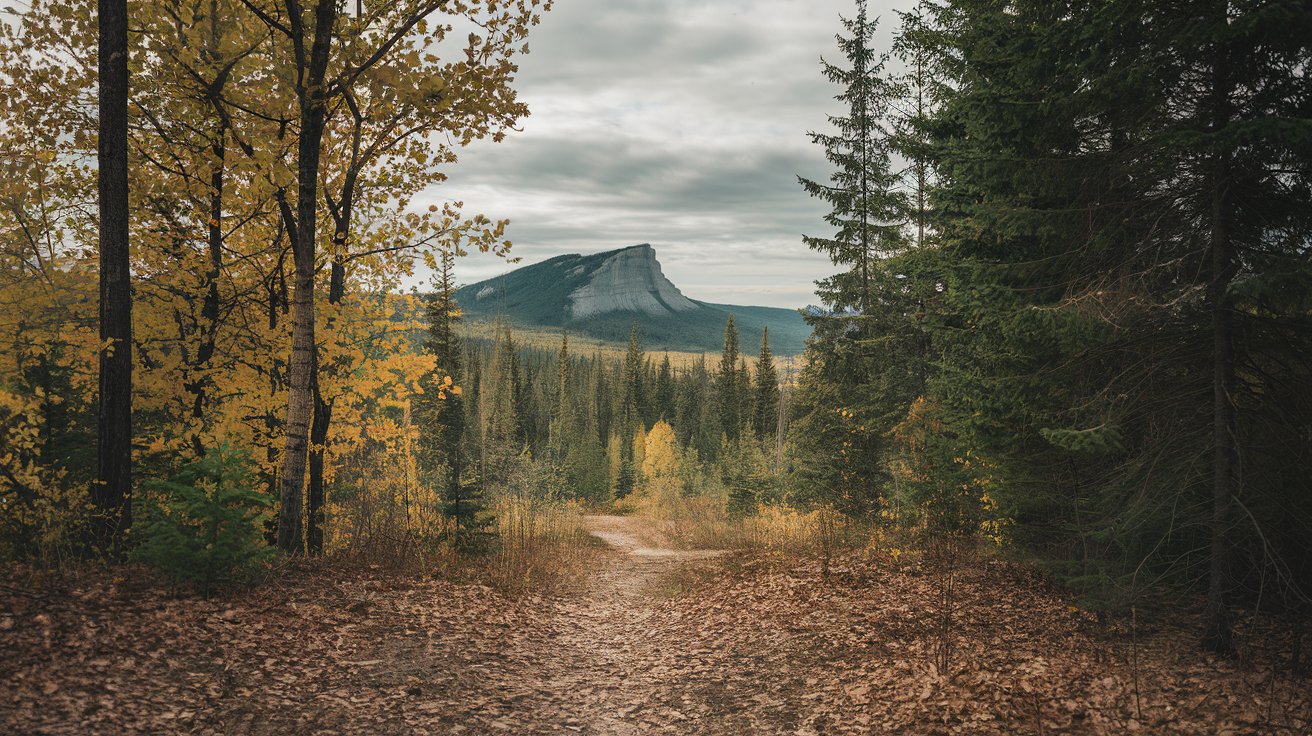
Fall arrives early in the Canadian Shield, with temperatures beginning to decline noticeably in late August and September. This season brings spectacular foliage displays as deciduous trees change color before dropping their leaves. Autumn temperatures drop steadily from September highs of 15°C to 20°C (59°F to 68°F) down to near-freezing conditions by November. The first snowfalls typically occur in October across most of the Shield, though snow may begin as early as September in northern areas. Fall weather tends to be more stable than spring, with fewer dramatic temperature swings, making it a favored season for outdoor activities among those familiar with the region.
Solar Radiation and Daylight Variations
The Canadian Shield experiences dramatic seasonal variations in daylight hours due to its northern latitude, ranging from approximately 50°N to 60°N across most populated areas. During summer solstice in June, southern Shield locations enjoy approximately 16 hours of daylight, while northern areas may experience up to 18 hours or more. This extended daylight period contributes to the rapid plant growth during the brief growing season, compensating somewhat for the cool temperatures.
Winter presents the opposite extreme, with December daylight lasting only 8 to 9 hours in southern areas and even less in northern locations. This reduced solar radiation during winter contributes significantly to the extreme cold temperatures, as the sun’s low angle provides minimal heating even during daylight hours. The long winter nights also contribute to increased radiational cooling, allowing temperatures to plummet to extreme lows. In 2026, climate scientists continue monitoring how these solar radiation patterns interact with atmospheric warming trends to affect overall temperature regimes across the Shield.
Canadian Shield Vegetation and Climate Relationship
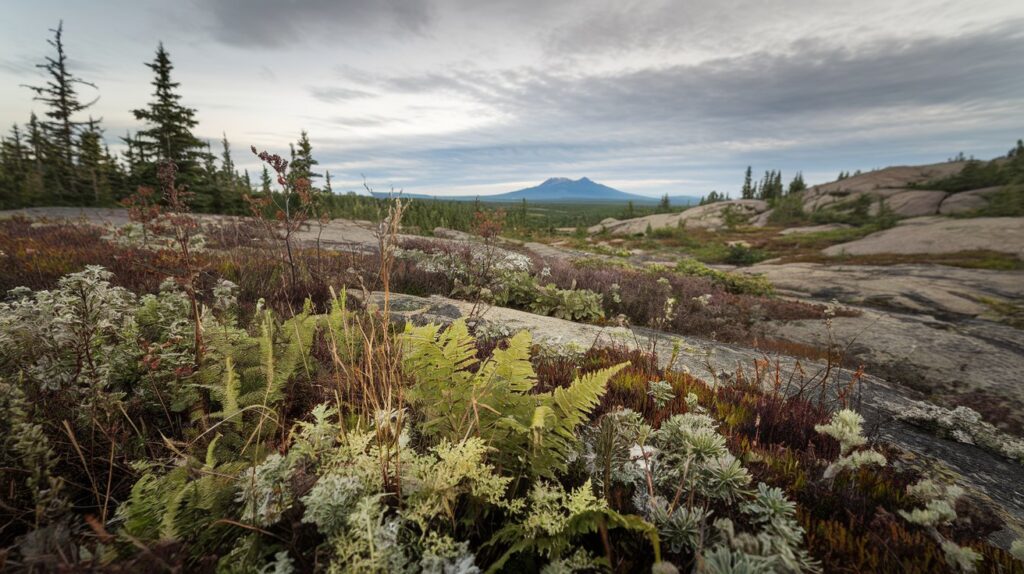
The vegetation of the Canadian Shield directly reflects its harsh climate conditions, with plant communities adapted to cold temperatures, short growing seasons, and acidic soils developed on the ancient bedrock. The boreal forest, also called taiga, dominates most of the Shield, featuring cold-tolerant coniferous species such as black spruce, white spruce, jack pine, and balsam fir. These evergreen trees have evolved needle-like leaves that minimize water loss and can photosynthesize whenever temperatures permit, even during brief winter warm spells.
Deciduous trees including white birch, trembling aspen, and poplars grow in warmer, south-facing locations and areas with better soil drainage. The northern portions of the Shield transition into tundra vegetation, where only low-growing shrubs, lichens, mosses, and herbaceous plants can survive the extremely short growing season and permafrost conditions. Wetlands and peatlands cover extensive areas throughout the Shield, developing in poorly drained depressions on the bedrock where sphagnum moss and sedges accumulate over centuries. This vegetation pattern creates critical habitat for wildlife and plays important roles in carbon storage and water regulation across the region.
Impact of Climate on Natural Resources
The Canadian Shield’s climate significantly influences the extraction and management of the region’s abundant natural resources. The harsh winter conditions necessitate specialized equipment and operational procedures for mining activities, which represent a major economic driver throughout the Shield. Cold temperatures affect machinery performance, worker safety, and transportation logistics, requiring companies to invest heavily in cold-weather infrastructure and seasonal planning strategies.
Forest resources face unique challenges due to the climate constraints on tree growth. The short growing season results in slower growth rates compared to southern forests, meaning harvest rotations must be longer to produce commercially viable timber. However, the cold climate also reduces pest and disease pressure, potentially improving wood quality. Hydroelectric resources benefit from the abundant precipitation and snowmelt, with many major hydroelectric facilities located on Shield rivers. The 2026 energy sector continues expanding renewable energy development across the region, taking advantage of the reliable hydrological patterns created by the climate regime.
Climate Challenges for Human Settlement
Living and working in the Canadian Shield presents unique challenges directly related to the extreme climate conditions. Heating costs dominate household budgets during the lengthy winter season, with buildings requiring exceptional insulation and heating systems capable of maintaining comfort during extended cold periods. The 2026 cost data shows heating expenses in Shield communities can exceed 2,000 to 4,000 USD annually for typical households, depending on location, building size, and energy source.
Transportation infrastructure faces constant challenges from freeze-thaw cycles that damage roads and bridges. Winter road maintenance requires continuous snow removal and ice control, while spring breakup periods may render some routes temporarily impassable. Remote communities often rely on ice roads during winter for supply delivery, as permanent road construction proves economically unfeasible in many areas. Water and sewer systems require burial below frost depth, typically 2 to 3 meters (6 to 10 feet) in most Shield locations, significantly increasing infrastructure costs. Despite these challenges, successful communities throughout the Shield have adapted through innovative building designs, efficient energy systems, and strong social networks that help residents thrive in this demanding environment.
Understanding Canadian Shield Climate for Kids
Explaining the Canadian Shield climate to young learners involves highlighting the dramatic seasonal changes that make this region unique. Children can understand that winter in the Shield is extremely cold and snowy, lasting much longer than in most parts of the United States. Temperatures drop so low that lakes and rivers freeze solid, allowing people to walk, skate, and even drive vehicles on the ice. The snow piles up so high that it can cover first-floor windows, and people need to wear heavy coats, boots, hats, and mittens whenever they go outside.
Summer in the Canadian Shield provides a complete contrast, with long daylight hours and pleasant temperatures that allow trees and plants to grow quickly. The sun barely sets during midsummer, giving kids extra time to play outside. However, summer only lasts about three months before fall arrives, bringing beautiful colored leaves and the first snowflakes. This dramatic climate change between seasons makes the Canadian Shield an exciting place to learn about how weather and climate affect landscapes, plants, animals, and how people live their daily lives.
Notable Canadian Shield Landmarks and Climate Effects
Several remarkable landmarks throughout the Canadian Shield showcase how climate has shaped this ancient landscape over millions of years. The Precambrian bedrock, among Earth’s oldest exposed rock formations, displays extensive glacial sculpting from repeated ice age advances that scraped across the region. Glacial erratics, large boulders transported by ice sheets and deposited randomly across the landscape, stand as monuments to past climate extremes that dwarf today’s conditions.
The countless lakes dotting the Shield formed in glacially-carved depressions in the bedrock, creating a waterscape that defines the region’s character. Lake Superior, the world’s largest freshwater lake by surface area, occupies a massive basin carved partially into Shield bedrock. The lake’s climate influence moderates temperatures along its shoreline, creating distinct microclimates different from the broader Shield region. Churchill Falls in Labrador represents one of the world’s largest underground hydroelectric facilities, harnessing the power of Shield rivers fed by climate-driven precipitation and snowmelt. These landmarks demonstrate the profound ways climate continues shaping the Canadian Shield landscape in 2026.
Climate Change Trends Affecting the Canadian Shield
The Canadian Shield is experiencing measurable climate change impacts as global temperatures rise, with warming occurring faster at northern latitudes compared to global averages. Temperature data from 2026 shows winter temperatures have increased approximately 2 to 3°C (3.6 to 5.4°F) across much of the Shield since the 1970s, with the greatest warming occurring during winter months. This warming trend has shortened the ice season on many Shield lakes by 2 to 3 weeks, affecting both ecosystems and traditional activities like ice fishing and winter transportation.
Precipitation patterns show increasing variability, with some areas experiencing more intense rainfall events during summer while others face more frequent drought conditions. The permafrost boundary is shifting northward as ground temperatures increase, potentially affecting infrastructure in northern Shield communities. Forest fire seasons have lengthened, and fire intensity has increased in some regions due to warmer, drier conditions. These climate shifts present both challenges and opportunities for Shield ecosystems and communities, requiring adaptive management strategies for resource use, conservation, and human settlement. Scientists in 2026 continue monitoring these trends carefully to understand the full implications for this vast and important region.
Related video about climate in the canadian shield
This video complements the article information with a practical visual demonstration.
Essential Q&A about climate in the canadian shield
What type of climate dominates the Canadian Shield?
The Canadian Shield is dominated by a subarctic to humid continental climate, characterized by extremely cold, long winters and short, mild summers. Northern areas experience subarctic conditions with winter temperatures regularly below -30°C (-22°F), while southern portions have a humid continental climate with slightly more moderate conditions. The region experiences dramatic temperature swings between seasons, with annual ranges often exceeding 60°C (108°F) between winter minimums and summer maximums. This climate results from the Shield’s inland position, high latitude, and lack of oceanic moderating influences.
What is the Canadian Shield climate like in winter?
Winter in the Canadian Shield is severe and prolonged, typically lasting from November through March or April. Average temperatures range from -15°C to -30°C (5°F to -22°F), with cold snaps bringing temperatures down to -40°C (-40°F) or lower in many areas. The region receives substantial snowfall totaling 200cm to 400cm (80 to 160 inches) annually, creating persistent snowpack throughout winter. Lakes and rivers freeze solid, and daylight hours are limited to 8-9 hours per day in December. These extreme conditions require specialized infrastructure and significant heating resources for communities throughout the Shield region.
How does climate affect Canadian Shield vegetation?
The harsh Canadian Shield climate creates a distinct vegetation pattern dominated by boreal forest species adapted to cold temperatures and short growing seasons. Cold-tolerant conifers like black spruce, white spruce, jack pine, and balsam fir dominate most areas, with their needle-like leaves minimizing water loss. Deciduous trees including white birch and trembling aspen grow in warmer locations with better drainage. The northern Shield transitions to tundra vegetation where only low shrubs, lichens, and mosses survive. The brief 90-120 day growing season limits tree growth rates, requiring longer harvest rotations compared to southern forests.
What are the temperature ranges in Celsius for the Canadian Shield?
The Canadian Shield experiences extreme temperature variations throughout the year. Winter temperatures average between -15°C and -30°C, with minimums reaching -40°C or lower during cold snaps. Summer brings average temperatures of 15°C to 25°C, with occasional peaks around 30°C in southern areas. Spring and fall serve as transition periods with temperatures ranging from 0°C to 15°C. The annual temperature range often exceeds 60°C between the coldest winter days and warmest summer days, representing one of Earth’s most extreme climatic variations. These dramatic swings significantly impact ecosystems, infrastructure, and human activities throughout the region.
How much precipitation does the Canadian Shield receive?
The Canadian Shield receives moderate precipitation ranging from 400mm to 1000mm (16 to 40 inches) annually, with southern areas receiving more than northern locations. Precipitation shows a summer maximum pattern, with June through August receiving the greatest amounts from thunderstorms and frontal systems. Winter precipitation falls primarily as snow, accumulating 200cm to 400cm (80 to 160 inches) seasonally across most areas. Spring snowmelt from this substantial snowpack feeds the region’s countless lakes, rivers, and wetlands. The 2026 climate data indicates increasing precipitation variability, with more intense rainfall events and occasional drought periods affecting different parts of the Shield.
What are important facts about the Canadian Shield climate?
Key facts about the Canadian Shield climate include: it covers approximately 8 million square kilometers with subarctic to continental climate zones; winter lasts 5-6 months with temperatures below -30°C common; summer is brief, lasting only 3 months; the region experiences 60°C+ annual temperature ranges; snowfall totals 200-400cm annually; daylight varies from 8 hours in winter to 18 hours in summer; the growing season lasts only 90-120 days; climate warming has increased temperatures 2-3°C since the 1970s; lake ice seasons have shortened by 2-3 weeks; and the harsh conditions create unique boreal forest and tundra ecosystems adapted to extreme cold and short growing seasons.
| Climate Aspect | Key Characteristics | Regional Impact |
|---|---|---|
| Winter Temperature | -15°C to -40°C, November-March | Frozen lakes, high heating costs, specialized infrastructure needed |
| Summer Temperature | 15°C to 25°C, June-August | Brief growing season, rapid vegetation growth, outdoor activities |
| Annual Precipitation | 400-1000mm, summer maximum | Abundant water resources, hydroelectric potential, wetland ecosystems |
| Snowfall | 200-400cm seasonal total | Spring flooding, winter recreation, transportation challenges |
| Daylight Variation | 8 hours winter, 18 hours summer | Affects plant growth, human activities, solar energy potential |
| Climate Trends | 2-3°C warming since 1970s | Shorter ice seasons, shifting ecosystems, adaptation requirements |