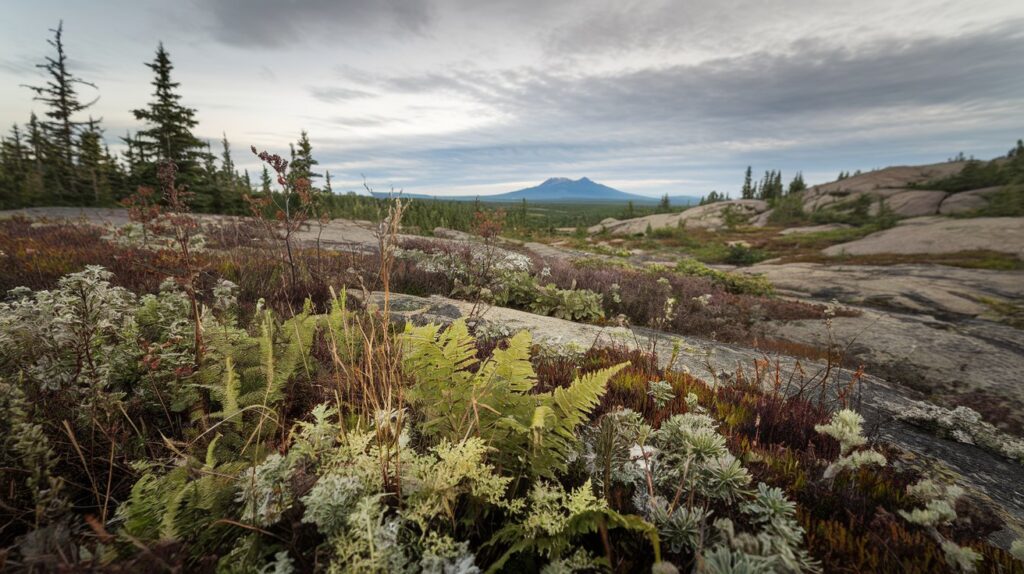
The Canadian Shield is home to an incredibly diverse array of wildlife adapted to its rugged terrain, boreal forests, and countless lakes. This vast geological region, covering nearly half of Canada’s landmass, supports iconic species like woodland caribou, black bears, gray wolves, moose, beavers, and over 200 bird species. From powerful predators to small mammals, the animals living in the Canadian Shield have evolved remarkable adaptations to survive the harsh northern climate and thrive in one of North America’s most distinctive ecosystems.
Large Mammals of the Canadian Shield
The Canadian Shield ecosystem supports some of North America’s most impressive large mammals. These animals have adapted to the region’s boreal forests, rocky outcrops, and extensive wetlands. As of 2026, wildlife surveys indicate healthy populations of several keystone species, though climate change continues to affect migration patterns and habitat ranges. The shield’s vast wilderness provides essential habitat for species that require large territories to hunt, forage, and raise their young.
These large mammals play crucial roles in maintaining ecosystem balance. Predators control herbivore populations, while herbivores shape vegetation patterns through their grazing and browsing behaviors. Understanding these animals helps conservation efforts protect the Canadian Shield’s biodiversity for future generations.
Woodland Caribou and Moose Populations
The woodland caribou is one of the most iconic animals found in the Canadian Shield, with populations ranging across Ontario, Quebec, Manitoba, and parts of the Northwest Territories. These animals differ from their tundra cousins, preferring the shield’s boreal forests and lichen-rich areas. Current 2026 estimates suggest approximately 34,000 woodland caribou inhabit the shield region, though numbers face pressure from habitat fragmentation and predation. Caribou migrate seasonally, covering up to 3,000 miles annually in search of food and calving grounds.
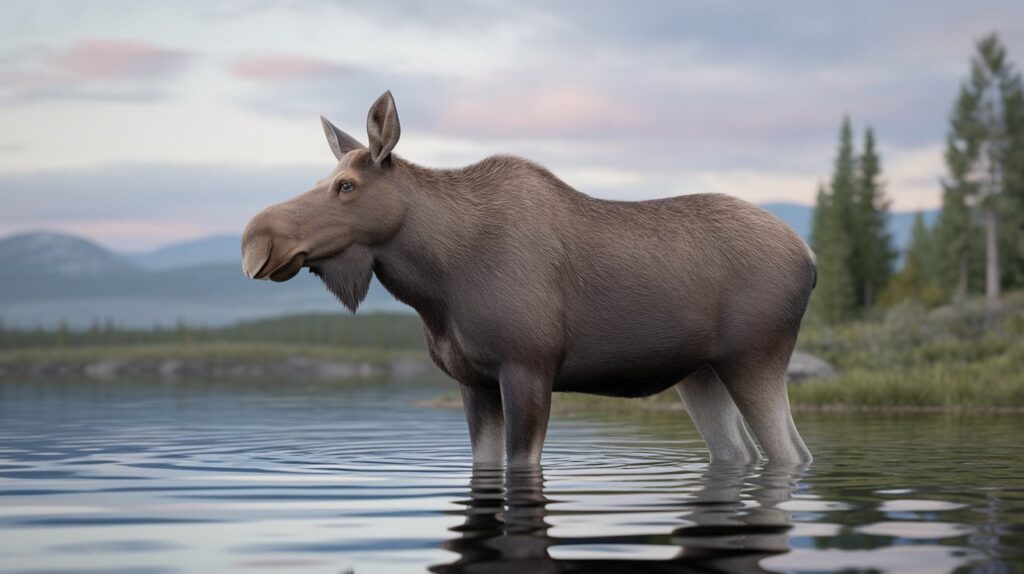
Moose represent another dominant herbivore throughout the Canadian Shield, with populations estimated at over 500,000 individuals across the region. These massive animals, weighing up to 1,500 pounds, thrive in the shield’s wetlands and young forests where they browse on aquatic vegetation, willows, and birch. Moose populations in the United States portions of the shield, particularly in northern Minnesota and parts of Michigan, remain stable with careful wildlife management ensuring sustainable hunting practices.
Black Bears and Their Habitat
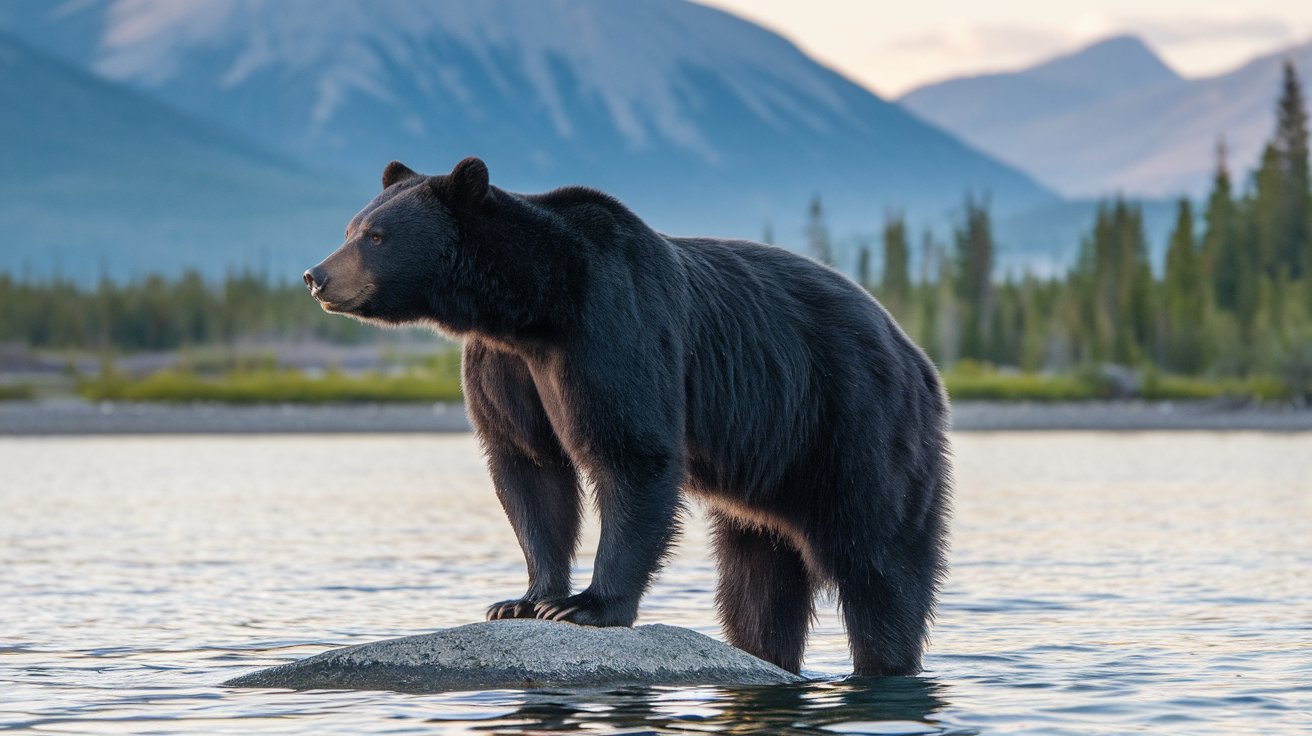
Black bears are abundant throughout the Canadian Shield, with population densities highest in areas with mixed forests and abundant berry-producing shrubs. These omnivorous animals live in virtually every part of the shield, from southern Ontario to the northern reaches of Quebec. Estimates from 2026 suggest the shield supports over 100,000 black bears, making it one of the most important habitats for the species in North America. Bears in this region typically weigh between 200-600 pounds, with males considerably larger than females.
The Canadian Shield climate with its cold winters necessitates hibernation behavior in black bears. They den from October through April, emerging in spring to feed on emerging vegetation, insects, and carrion. While polar bears are not found in the southern Canadian Shield, they do inhabit the northern coastal areas where the shield meets Hudson Bay. The presence of these bears indicates healthy ecosystem function, as they require large territories and diverse food sources to thrive.
Predators and Their Ecological Role
The predator animals of the Canadian Shield maintain crucial ecological balance by controlling herbivore populations and removing weak or diseased individuals from prey species. These carnivores include wolves, lynx, wolverines, and numerous smaller predators like foxes and martens. The shield’s extensive wilderness provides ideal hunting grounds where these animals can pursue prey across vast territories. Recent 2026 wildlife studies show that areas with healthy predator populations demonstrate better overall ecosystem health and biodiversity compared to regions where predators have been eliminated.
Gray Wolves and Pack Dynamics
Gray wolves are apex predators throughout the Canadian Shield, living in packs of 4-9 individuals that control territories spanning 50-1,000 square miles depending on prey density. The shield supports an estimated 8,000-10,000 wolves as of 2026, with populations particularly strong in Ontario, Quebec, and Manitoba. These intelligent animals hunt cooperatively to take down large prey like moose, caribou, and deer. Wolf howls, which can be heard up to 10 miles away, serve to communicate pack location and territory boundaries.
Pack structure revolves around an alpha breeding pair that produces pups each spring, typically 4-6 per litter. The entire pack participates in raising young wolves, teaching them hunting techniques and social behaviors. In regions of the United States where the Canadian Shield extends into northern Minnesota and Wisconsin, wolf populations have rebounded significantly since receiving federal protection, now numbering over 4,000 individuals across both states combined.
Lynx and Other Wild Cats
The Canada lynx thrives in the boreal forests of the Canadian Shield, specializing in hunting snowshoe hares which comprise up to 75% of their diet. These medium-sized cats, weighing 18-24 pounds, possess large paws that act like snowshoes, allowing them to pursue prey across deep snow. Lynx populations follow cyclical patterns tied to snowshoe hare abundance, with peaks occurring approximately every 10 years. Current 2026 estimates place shield lynx populations at around 45,000 individuals.
While lynx dominate the northern shield, bobcats inhabit southern portions where the shield extends into the United States. These smaller wild cats prefer mixed forests and rocky terrain. The Canadian Shield also supports other predators including fishers, martens, and wolverines, all playing specialized roles in the ecosystem. Wolverines, though rare with perhaps only 300 individuals in the shield, are among the rarest animals in the region, requiring vast wilderness areas and demonstrating remarkable strength for their 25-40 pound size.
Small Mammals and Rodents
The small mammals of the Canadian Shield form the foundation of the food web, supporting populations of predators while playing essential roles in seed dispersal, soil aeration, and nutrient cycling. These animals include numerous rodent species, shrews, voles, lemmings, and the iconic beaver. Despite their small size, these creatures demonstrate remarkable adaptations to the shield’s challenging environment. Population densities of small mammals fluctuate dramatically with food availability and predation pressure, creating cyclical patterns that ripple through the entire ecosystem.
Snowshoe hares, though technically lagomorphs rather than rodents, deserve special mention as they support lynx, fox, coyote, and raptor populations. Red squirrels busily harvest and cache conifer seeds, while beavers engineer entire landscapes through their dam-building activities. As of 2026, the Canadian Shield supports millions of these small mammals, with beaver populations alone estimated at over 2 million individuals across the region.
Beavers and Ecosystem Engineering
Beavers are perhaps the most influential small mammals in the Canadian Shield, creating wetland habitats that benefit countless other species. These rodents, weighing 35-70 pounds, build dams that flood forested areas, creating ponds used by fish, waterfowl, amphibians, and other wildlife. A single beaver dam can create wetlands spanning several acres, and some dams persist for decades or even centuries. The shield’s countless lakes and rivers provide ideal habitat for these ecosystem engineers.
Beaver lodges, constructed from branches and mud, can reach 6 feet high and 15 feet wide, providing secure dens where families raise kits. These animals remain active throughout winter, swimming beneath ice to access cached food supplies. The vegetation changes created by beaver activity increase overall biodiversity, as meadows and wetlands replace some forested areas. In the United States portions of the shield, beaver reintroduction programs have successfully restored populations that were nearly eliminated by historical fur trapping.
Porcupines, Muskrats, and Other Rodents
Porcupines are common throughout the Canadian Shield’s forests, where they feed on tree bark, especially preferring hemlock, pine, and spruce. These slow-moving rodents, protected by approximately 30,000 quills, can weigh up to 30 pounds. They spend much time in trees and are excellent climbers despite their bulky appearance. Porcupine populations remain stable across the shield, with densities highest in areas with diverse coniferous forests.
Muskrats inhabit virtually every wetland in the Canadian Shield, building lodges similar to but smaller than beaver constructions. Other notable rodents include red-backed voles, deer mice, and various species of shrews. These small mammals are found throughout the region and provide essential food for numerous predators. Flying squirrels glide between trees at night, while chipmunks busily gather seeds during brief summer months, preparing for the long Canadian Shield climate winter ahead.
Bird Species and Avian Diversity
The Canadian Shield hosts over 200 bird species, ranging from tiny songbirds to powerful raptors and magnificent waterfowl. This avian diversity reflects the region’s varied habitats including boreal forests, wetlands, rocky barrens, and countless lakes. Many species are migratory, breeding in the shield during summer months before traveling to southern United States and Central American wintering grounds. Resident species that brave the harsh winters demonstrate remarkable adaptations including specialized feeding behaviors and physiological changes that conserve energy.
As of 2026, bird populations in the Canadian Shield face challenges from climate change, which affects migration timing and food availability. However, the vast wilderness provides crucial nesting habitat for species declining in more developed regions. The shield’s importance for North American bird conservation cannot be overstated, as it produces millions of young birds annually that disperse across the continent.
Raptors and Birds of Prey
Bald eagles have made remarkable comebacks throughout the Canadian Shield, with populations now stable after decades of decline due to pesticide contamination. These magnificent raptors nest in tall trees near lakes and rivers, feeding primarily on fish but also taking waterfowl and small mammals. The shield supports an estimated 15,000 breeding pairs of bald eagles as of 2026. Their large stick nests, used year after year, can weigh over 1,000 pounds.
Golden eagles, peregrine falcons, merlins, and various hawk species also hunt throughout the region. The northern goshawk, a powerful forest raptor, specializes in pursuing prey through dense timber. Great gray owls, boreal owls, and northern hawk owls hunt small mammals, while the rare great horned owl can take prey as large as snowshoe hares. These predatory birds help control rodent populations and serve as indicators of overall ecosystem health.
Waterfowl and Wetland Birds
The Canadian Shield’s countless lakes and wetlands provide essential breeding habitat for waterfowl including mallards, black ducks, ring-necked ducks, common goldeneyes, and mergansers. These birds nest throughout the shield, with some areas supporting densities exceeding 100 breeding pairs per square mile of wetland habitat. Common loons, with their haunting calls echoing across northern lakes, are iconic shield residents with populations estimated at 300,000 breeding pairs.
Canada geese, once rare, now thrive throughout the region with millions of individuals breeding in the shield annually. Great blue herons stalk shallow waters hunting fish, frogs, and small mammals, while sandhill cranes perform elaborate courtship dances in marshy meadows. The shield’s wetlands also support numerous shorebird species during migration, serving as crucial stopover habitat where birds refuel before continuing their journeys. These bird species connect the Canadian Shield to ecosystems across North and South America through their seasonal movements.
Fish and Aquatic Wildlife
The Canadian Shield’s extensive network of lakes and rivers supports diverse fish populations that have adapted to cold, often nutrient-poor waters. These aquatic ecosystems harbor species prized by anglers and essential to the food web, feeding otters, mink, eagles, herons, and other wildlife. As of 2026, the shield’s lakes contain an estimated 60+ fish species, with some systems harboring unique genetic populations adapted to specific water conditions. Water quality remains generally excellent throughout most of the region, though some areas near historical mining operations face contamination challenges.
Cold-water species dominate shield waters, with many fish exhibiting slow growth rates and long lifespans in the nutrient-limited environment. The shield’s lakes range from shallow, productive systems teeming with life to deep, cold oligotrophic lakes with sparse fish populations. This diversity creates varied fishing opportunities and supports complex food webs linking aquatic and terrestrial ecosystems.
Game Fish and Predatory Species
Walleye are among the most sought-after game fish in Canadian Shield lakes, thriving in clear waters where they hunt smaller fish using excellent low-light vision. These predators can reach 10-15 pounds and live over 20 years. Northern pike, aggressive ambush predators reaching 30+ pounds, patrol weedy shallows and rocky drop-offs. Lake trout, a true cold-water specialist, inhabits the deepest shield lakes, with some individuals exceeding 40 pounds and living over 40 years in the frigid depths.
Smallmouth bass populations have expanded throughout southern portions of the Canadian Shield, providing excellent sport fishing in rocky, clear-water lakes and rivers. Muskellunge, the shield’s largest predatory fish, can exceed 50 pounds though catching these rare fish requires patience and skill. Brook trout thrive in cold streams and rivers, particularly in areas with forest cover that maintains cool water temperatures. These fish species support significant recreational economies in both Canada and the United States portions of the shield.
Forage Fish and Bottom Dwellers
Forage fish form the foundation of aquatic food webs throughout the Canadian Shield. Yellow perch, abundant in many lakes, provide food for larger predators while offering excellent table fare when caught by anglers. Cisco and whitefish inhabit deeper, colder waters, with some whitefish growing to 10+ pounds. These silvery fish undertake spawning migrations that attract predators and provide important nutrient transfers between different lake zones.
Various minnow species, including shiners, dace, and chubs, support predator populations while playing roles in nutrient cycling. Sculpins, bottom-dwelling fish with large heads and fan-like pectoral fins, occupy rocky lake and river bottoms. Burbot, the only freshwater member of the cod family, hunt beneath winter ice. Suckers, often overlooked, are important bottom feeders that process organic matter. These diverse aquatic animals create resilient ecosystems capable of supporting the Canadian Shield’s iconic wildlife.
Reptiles and Amphibians of the Shield
Though cold temperatures limit diversity, the Canadian Shield supports several hardy reptile and amphibian species adapted to the short summers and long winters. These cold-blooded animals must complete their entire annual activity cycle in just 4-5 months, breeding, feeding, and preparing for hibernation before temperatures plummet. As of 2026, researchers have documented approximately 15 reptile species and 20 amphibian species in various parts of the shield, with diversity highest in southern regions.
These ectothermic animals face particular challenges from climate change, as warming temperatures alter breeding pond timing and duration. However, the shield’s vast wilderness provides refuge habitat less affected by human activities than more southern regions. Understanding these species helps conservation efforts protect the full spectrum of shield biodiversity.
Snakes and Turtles
Garter snakes are the most widespread reptiles in the Canadian Shield, occurring throughout the region wherever suitable habitat exists. These harmless snakes feed on frogs, small fish, and worms, playing important roles in wetland ecosystems. Northern populations den communally in rocky crevices, with hundreds of individuals sometimes sharing winter hibernation sites. Ring-necked snakes, small secretive species, inhabit forested areas where they hunt salamanders and slugs beneath logs and rocks.
Painted turtles and snapping turtles inhabit shield waters, though populations thin toward northern extremes. Painted turtles bask conspicuously on logs, while snappers lurk in muddy bottoms as ambush predators. Wood turtles, considered at risk, inhabit streams and adjacent forests in southern portions of the shield. These turtles require decades to reach reproductive maturity, making populations vulnerable to disturbance. Winter survival requires finding protected locations where water remains unfrozen, as these reptiles cannot survive being frozen solid like some amphibians.
Frogs, Toads, and Salamanders
Wood frogs demonstrate remarkable cold tolerance, actually freezing solid during winter then thawing and resuming activity in spring. These common amphibians breed in temporary pools created by snowmelt, their chorus calls among the first spring sounds in shield forests. Spring peepers, tiny tree frogs with loud chirping calls, breed in similar habitats. Leopard frogs inhabit wetlands and meadows, while green frogs and bullfrogs occupy permanent water bodies in warmer portions of the shield.
American toads are common throughout accessible habitats, their musical trills filling spring evenings. Blue-spotted salamanders and red-backed salamanders inhabit moist forests, hiding beneath logs and rocks where they hunt tiny invertebrates. Spotted salamanders undertake remarkable spring migrations to breeding ponds, sometimes traveling over a quarter mile. Newts spend their adult lives in ponds and lakes, hunting aquatic invertebrates. These amphibians serve as important indicators of environmental health, as their permeable skin makes them sensitive to pollution and habitat changes.
Insects and Invertebrate Life
The Canadian Shield teems with invertebrate life, from microscopic zooplankton to large aquatic insects and terrestrial arthropods. These animals form the foundation of food webs, supporting fish, amphibians, birds, and small mammals. Insect diversity peaks during brief summer months when countless species emerge, breed, and complete their life cycles. As of 2026, researchers estimate the shield hosts over 10,000 invertebrate species, though many remain understudied and undocumented.
Aquatic insects including mayflies, caddisflies, and dragonflies spend their immature stages in lakes and streams before emerging as adults. Terrestrial species including numerous beetles, flies, wasps, and butterflies occupy every available habitat niche. While often overlooked, these invertebrates are essential to ecosystem function through pollination, decomposition, and nutrient cycling.
Mosquitoes, Black Flies, and Biting Insects
Mosquitoes emerge in massive numbers throughout the Canadian Shield, with peak populations in June and July making outdoor activities challenging without protection. Over 30 mosquito species inhabit the region, with some females requiring blood meals to produce eggs. Despite their nuisance to humans, mosquitoes provide essential food for fish, birds, bats, and dragonflies. Aquatic mosquito larvae process organic matter in wetlands, contributing to nutrient cycling.
Black flies, though smaller than mosquitoes, deliver painful bites and can swarm in numbers that make wilderness travel difficult during peak emergence. These insects breed in flowing water, with larvae attaching to rocks in streams and rivers. Deer flies and horse flies also plague shield summers. While irritating, these biting insects transfer significant energy from vertebrate hosts to numerous predators that feed upon them, connecting different trophic levels in complex food webs.
Butterflies, Dragonflies, and Beneficial Insects
Butterflies add color to shield summers, with species including tiger swallowtails, fritillaries, admirals, and various skippers nectaring on wildflowers. Mourning cloaks and commas, among the first butterflies appearing in spring, survive winters as adults hidden beneath bark. Arctic butterflies occupy northern shield regions, completing their life cycles in short growing seasons. Moth diversity far exceeds butterflies, with thousands of species including impressive luna moths and giant silk moths.
Dragonflies and damselflies patrol wetlands and lakes, catching mosquitoes and other small insects on the wing. These aerial predators demonstrate remarkable flying abilities, hovering, flying backward, and reaching speeds exceeding 30 mph. Aquatic dragonfly nymphs are fierce predators hunting tadpoles, small fish, and other invertebrates. Bees, including bumblebees tolerant of cold temperatures, pollinate shield wildflowers. These beneficial insects support plant reproduction and provide food for numerous insectivorous birds and other wildlife.
Rare and Endangered Species
While the Canadian Shield provides vast wilderness habitat, several species face conservation challenges from habitat loss, climate change, and human activities. Understanding these vulnerable animals helps prioritize protection efforts. As of 2026, conservation organizations and government agencies work to monitor populations and implement recovery programs for species at risk. The shield’s relatively undeveloped character offers advantages for conservation compared to more populated regions.
The rarest animals in the Canadian Shield include several species with limited ranges or declining populations. Protecting these creatures requires balancing resource extraction, recreation, and conservation priorities across the shield’s vast landscape. Many rare species serve as indicators of ecosystem health, with their presence suggesting intact habitat conditions.
Woodland Caribou Conservation Status
Woodland caribou face significant conservation challenges throughout much of their range, with populations declining in southern portions of the Canadian Shield due to habitat fragmentation and increased predation. Industrial forestry creates young forests favored by moose and deer, which support higher wolf populations that then prey upon caribou. Climate change affects lichen availability, the caribou’s primary winter food source. Several distinct populations are considered threatened or endangered.
Conservation efforts include habitat protection, predator management in some areas, and restoration of continuous forest cover. In the United States, small remnant populations persist in northern Minnesota, with recovery efforts ongoing. The shield’s vast northern wilderness provides crucial refuge habitat where caribou populations remain relatively stable. Protection of large, undisturbed forest blocks represents the best strategy for ensuring long-term caribou survival in the Canadian Shield ecosystem.
Other Species of Conservation Concern
The wolverine, among the rarest carnivores in the Canadian Shield, requires vast wilderness areas and low human disturbance. With populations estimated at only 300 individuals in the shield, these powerful animals face threats from trapping, climate change, and habitat fragmentation. Fishers, though more common, experienced historical declines from over-trapping but have recovered in many areas through protection and reintroduction programs.
Several bird species face conservation challenges including the olive-sided flycatcher, rusty blackbird, and Canada warbler, all showing population declines linked to habitat changes and climate shifts. Lake sturgeon, once abundant in shield waters, were overfished and now receive special protection in most jurisdictions. Peregrine falcons, decimated by pesticides in the 1960s-70s, have recovered significantly but remain monitored. Wood turtles face threats from road mortality and collection for the pet trade. Protecting these vulnerable species requires continued conservation commitment and habitat protection across the Canadian Shield.
Adaptations to Shield Environment
Animals living in the Canadian Shield demonstrate remarkable adaptations to survive extreme conditions including long, cold winters with temperatures dropping below -40°F, short summers, nutrient-poor soils affecting plant growth and thus food availability, and rugged terrain with exposed bedrock and countless lakes. These adaptations span physiological, behavioral, and morphological traits evolved over thousands of years. Understanding how shield animals cope with environmental challenges provides insights into ecosystem resilience and potential responses to climate change.
The Canadian Shield climate drives many adaptations, with animals developing strategies to survive months when food becomes scarce and temperatures plummet. Migration, hibernation, food caching, and physical changes all help shield wildlife persist in this challenging environment. As temperatures warm under climate change, some adaptations may become less critical while new challenges emerge.
Winter Survival Strategies
Hibernation allows bears, groundhogs, and jumping mice to survive winter by drastically reducing metabolism and living off stored fat reserves. Black bears may lose 30% of their body weight during 5-6 month denning periods. Chipmunks and ground squirrels enter true hibernation with body temperatures dropping near freezing, waking occasionally to eat cached food. These strategies avoid the energetic costs of remaining active when food is unavailable.
Other animals remain active throughout winter, relying on different adaptations. Snowshoe hares grow white winter coats for camouflage and develop enlarged hind feet that act like snowshoes. Weasels also turn white, becoming ermines, and hunt beneath the snow in small mammal tunnels. Ptarmigan grow feathered feet and burrow into snow for insulation. Moose conserve energy by reducing activity and feeding on woody browse. These diverse survival strategies reflect the varied ecological niches occupied by Canadian Shield animals.
Physiological and Behavioral Adaptations
Thick fur and fat layers provide essential insulation for shield mammals. Beavers possess dense underfur with 23,000 hairs per square inch, remaining comfortable in frigid water. Wolves and lynx grow heavy winter coats that shed as temperatures warm. Many animals increase body size in northern populations, following Bergmann’s Rule, as larger bodies retain heat more efficiently. Dark coloration helps some species absorb solar radiation.
Behavioral adaptations include food caching by red squirrels, which may store thousands of cones in middens used for decades. Gray jays cache food throughout their territories, using sticky saliva to attach food items to tree bark. Many shield animals shift diets seasonally, consuming berries and vegetation in summer, then switching to harder-to-digest woody browse or cached foods in winter. Migration allows birds and some caribou populations to avoid the harshest conditions. These adaptations demonstrate the evolutionary creativity that allows diverse animal communities to thrive in the Canadian Shield environment.
Related video about what animals live in the canadian shield
This video complements the article information with a practical visual demonstration.
Essential Q&A about what animals live in the canadian shield
What is the rarest animal in Canada?
The wolverine ranks among the rarest animals in Canada, particularly in the Canadian Shield where populations number only around 300 individuals. These powerful carnivores require vast wilderness territories and remain elusive despite their strength. Other rare Canadian Shield animals include the eastern cougar (possibly extinct), eastern wolf (distinct population), and certain caribou herds that face significant conservation challenges from habitat loss and climate change. The Vancouver Island marmot holds the title of Canada’s rarest endemic mammal, though it lives outside the shield region in British Columbia.
What are Canada’s big 5 animals?
Canada’s “Big 5” animals, inspired by African wildlife terminology, typically include moose, grizzly bears, polar bears, caribou, and wolves. In the Canadian Shield specifically, visitors can encounter four of these five, with moose, caribou, wolves, and black bears (rather than grizzlies) being most common. Polar bears inhabit the northern shield margins along Hudson Bay. These iconic species represent the wilderness character that defines Canadian wildlife, attracting wildlife enthusiasts from the United States and internationally who seek authentic wilderness experiences and wildlife viewing opportunities.
Does the Canadian Shield have polar bears?
Polar bears do inhabit the northern edges of the Canadian Shield where it meets Hudson Bay and James Bay coasts. These marine mammals rely on sea ice to hunt seals but come ashore during summer months when ice melts. Churchill, Manitoba, located on the shield’s northern boundary, is famous as the “Polar Bear Capital of the World” where bears congregate while waiting for bay ice to form. However, polar bears are not found in the southern or interior portions of the shield, as they require Arctic or subarctic coastal environments. The shield’s interior is home to black bears instead.
What can be found in the Canadian Shield?
The Canadian Shield contains diverse wildlife including over 50 mammal species, 200+ bird species, numerous fish, reptiles, amphibians, and thousands of invertebrate species. Major animals include woodland caribou, moose, black bears, gray wolves, lynx, beavers, and otters. The region features countless lakes and rivers supporting walleye, northern pike, lake trout, and other fish. The shield also contains valuable mineral deposits including gold, silver, copper, nickel, and iron ore, along with vast boreal forests. Its ancient Precambrian rock, over 2.5 billion years old, forms the geological foundation supporting these diverse ecosystems across nearly 2 million square miles.
How do animals survive winter in the Canadian Shield?
Canadian Shield animals employ multiple winter survival strategies including hibernation, migration, physical adaptations, and behavioral changes. Bears and some rodents hibernate, reducing metabolism and surviving on fat reserves. Many birds migrate to warmer southern climates in the United States and beyond. Animals remaining active grow thick winter fur, change to white coloration for camouflage, and develop physical features like enlarged feet for traveling on snow. Food caching, reduced activity levels, and dietary shifts help animals meet energy needs when food becomes scarce. These diverse adaptations reflect millions of years of evolution in one of North America’s most challenging environments.
Are there dangerous animals in the Canadian Shield?
The Canadian Shield hosts several potentially dangerous animals, though serious incidents remain rare with proper precautions. Black bears pose the greatest risk, particularly when surprised, protecting cubs, or habituated to human food. Moose, especially cows with calves or bulls during rut, can be aggressive and cause serious injuries. Gray wolves generally avoid humans but should never be approached. Timber rattlesnakes inhabit southern portions of the shield. Ticks carrying Lyme disease represent a growing concern. However, following safety guidelines including proper food storage, making noise while hiking, and maintaining respectful distances from wildlife minimizes risks. Thousands of people safely enjoy Canadian Shield wilderness annually through camping, fishing, and wildlife viewing activities.
| Animal Category | Key Species | Conservation Status |
|---|---|---|
| Large Mammals | Moose, Black Bears, Woodland Caribou, Gray Wolves | Generally stable; caribou declining in southern range |
| Medium Carnivores | Lynx, Wolverine, Fisher, Marten, Otter | Stable to increasing; wolverine rare |
| Small Mammals | Beaver, Snowshoe Hare, Porcupine, Red Squirrel | Abundant throughout region |
| Birds | Common Loon, Bald Eagle, Canada Goose, Various Warblers | 200+ species; most populations healthy |
| Fish | Walleye, Northern Pike, Lake Trout, Brook Trout | Excellent water quality supports 60+ species |
| Reptiles & Amphibians | Garter Snake, Painted Turtle, Wood Frog, Spring Peeper | Limited by cold climate; 35 total species |